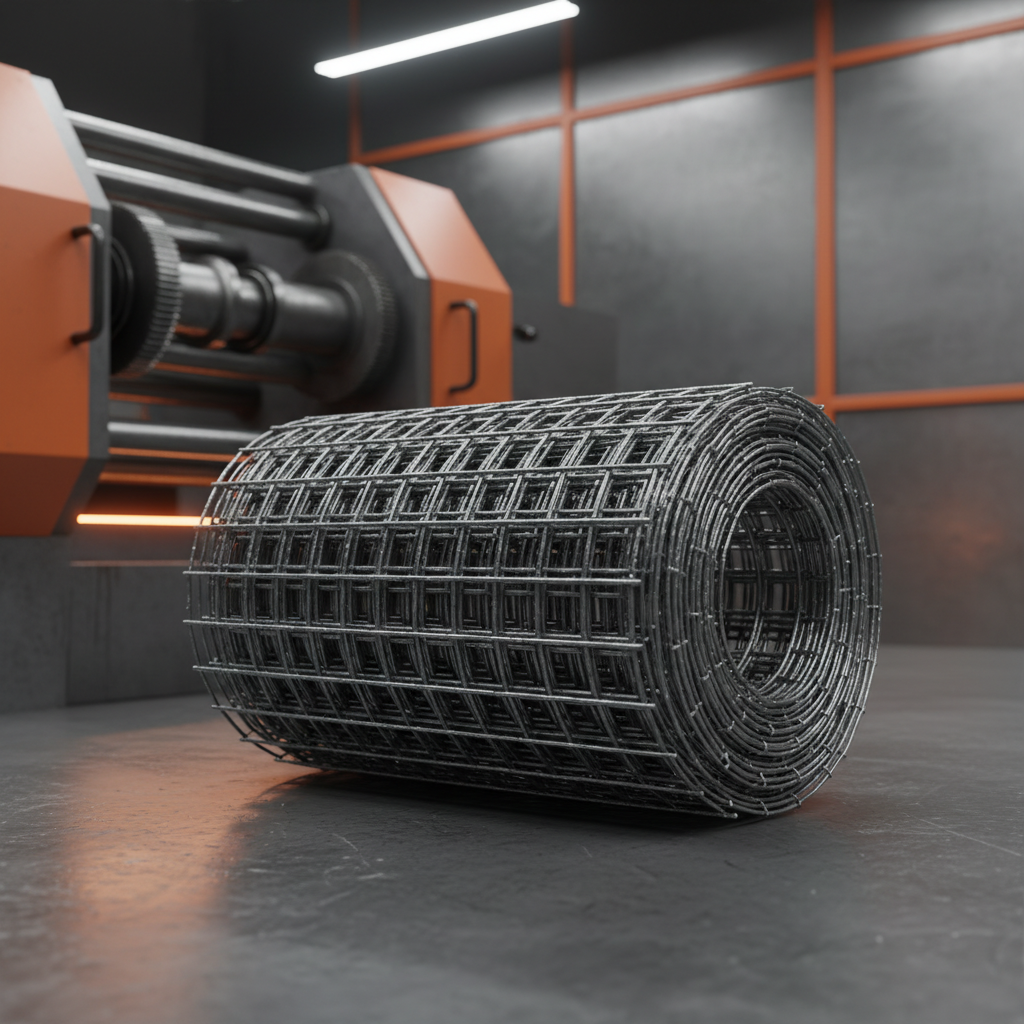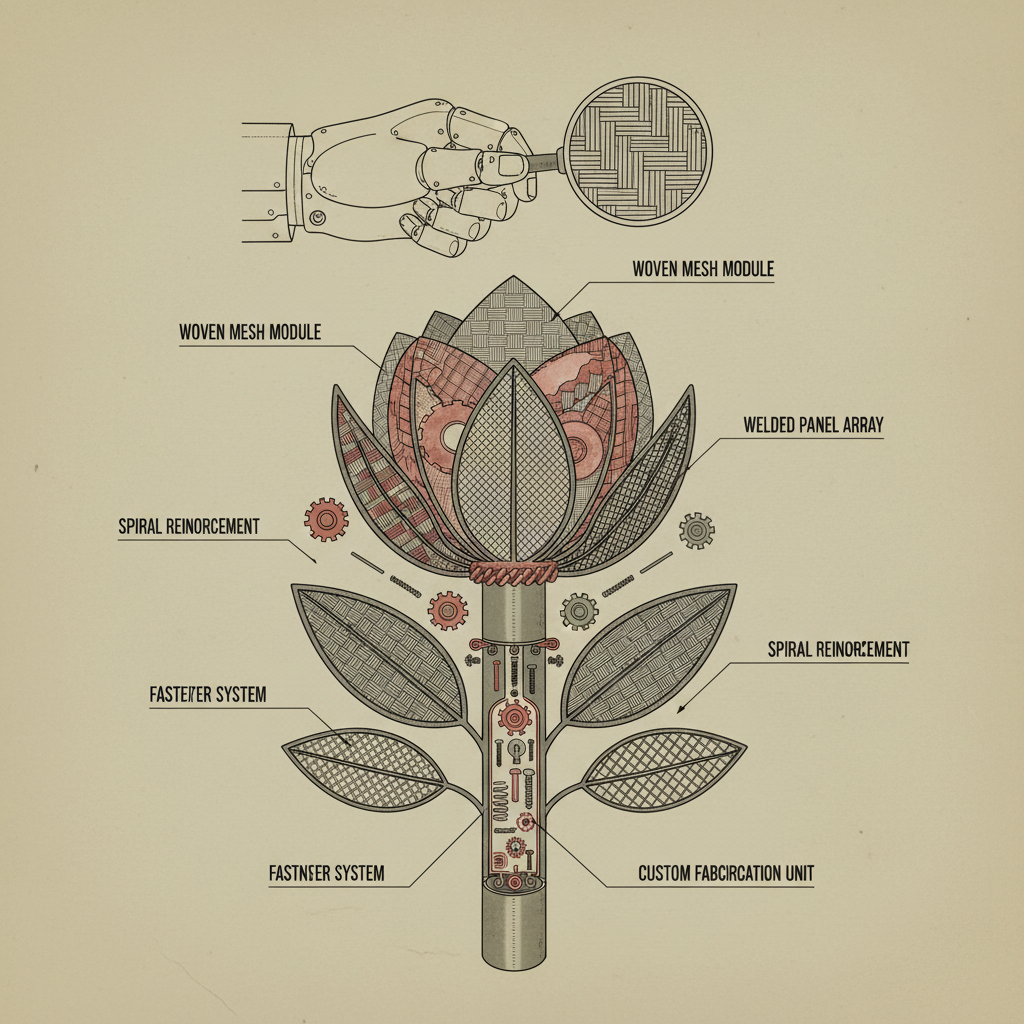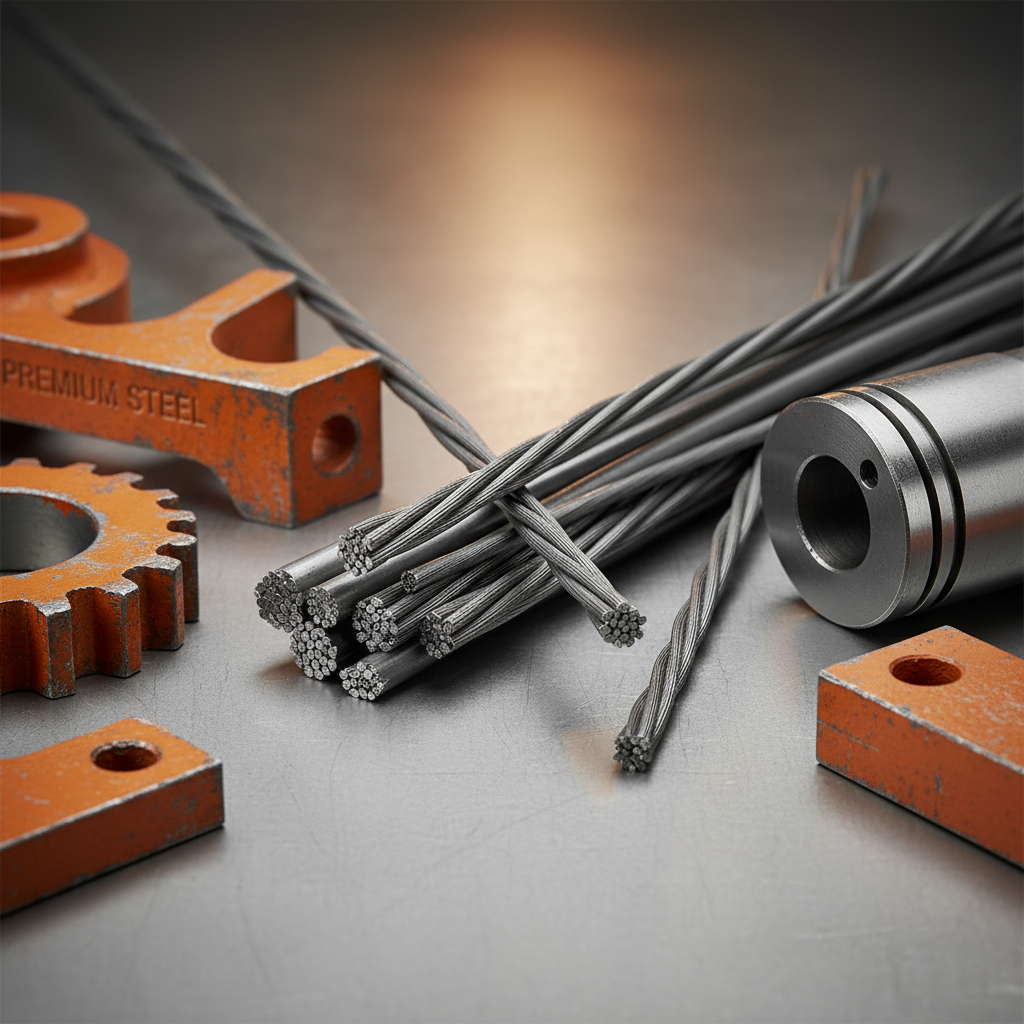


Galvanized steel wire manufacturer plays a crucial role in modern infrastructure and countless industrial applications. The demand for durable, corrosion-resistant materials is consistently high globally, making manufacturers of galvanized steel wire essential to sectors ranging from construction and agriculture to automotive and telecommunications. Understanding the processes, quality control, and applications of galvanized steel wire is paramount for engineers, procurement professionals, and anyone involved in specifying materials for long-lasting projects.
The global galvanized steel wire market is experiencing steady growth, driven by increased construction activity in developing nations and a growing emphasis on infrastructure maintenance in developed countries. According to industry reports, the market is projected to reach significant value in the coming years, emphasizing the increasing demand. This growth is linked to the superior performance of galvanized steel wire compared to alternative materials, offering extended lifespans and reduced maintenance costs, benefiting both economic and environmental sustainability.
A key challenge within the galvanized steel wire manufacturing industry is balancing production efficiency with stringent environmental regulations. Manufacturers must continually innovate to reduce waste, minimize emissions, and adopt more sustainable practices. This involves investing in new technologies, optimizing production processes, and actively seeking eco-friendly alternatives for traditional galvanizing methods. Understanding these dynamics is critical for a comprehensive view of the galvanized steel wire manufacturer landscape.
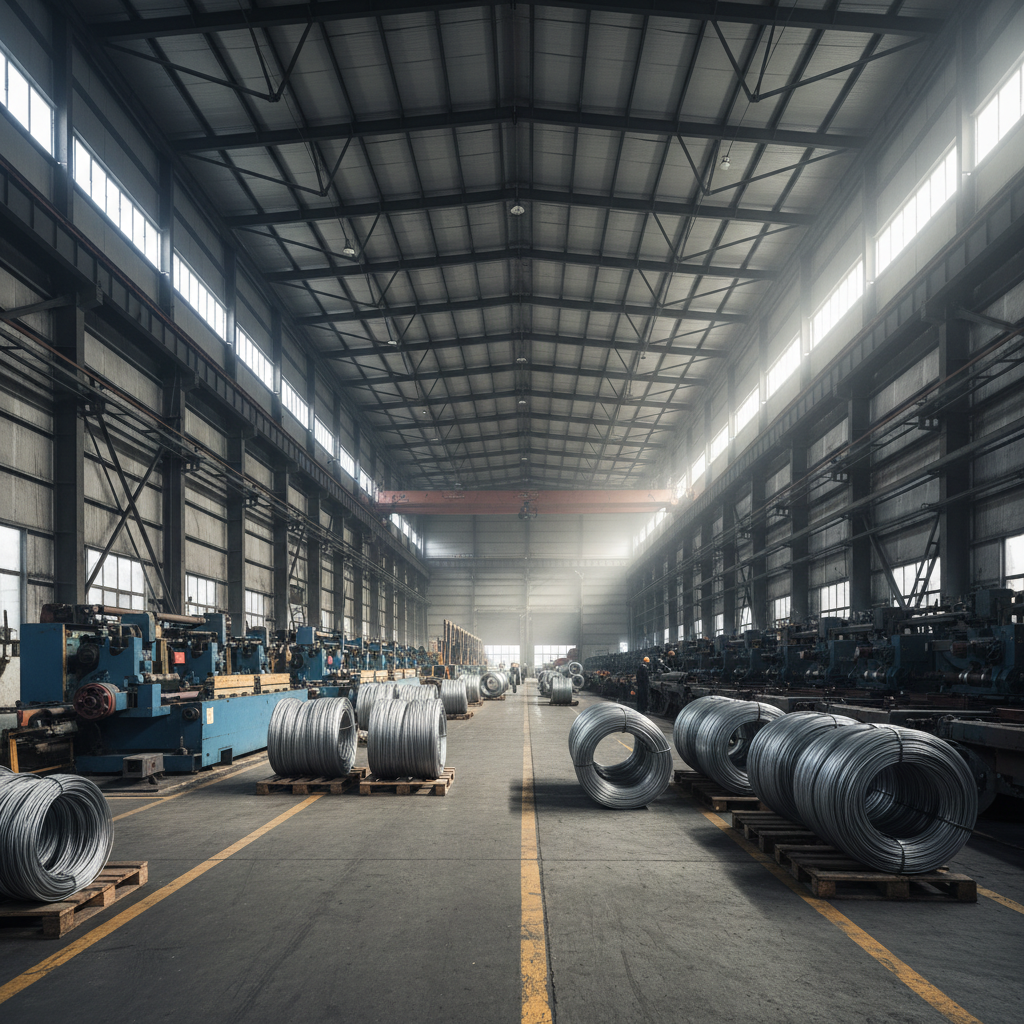
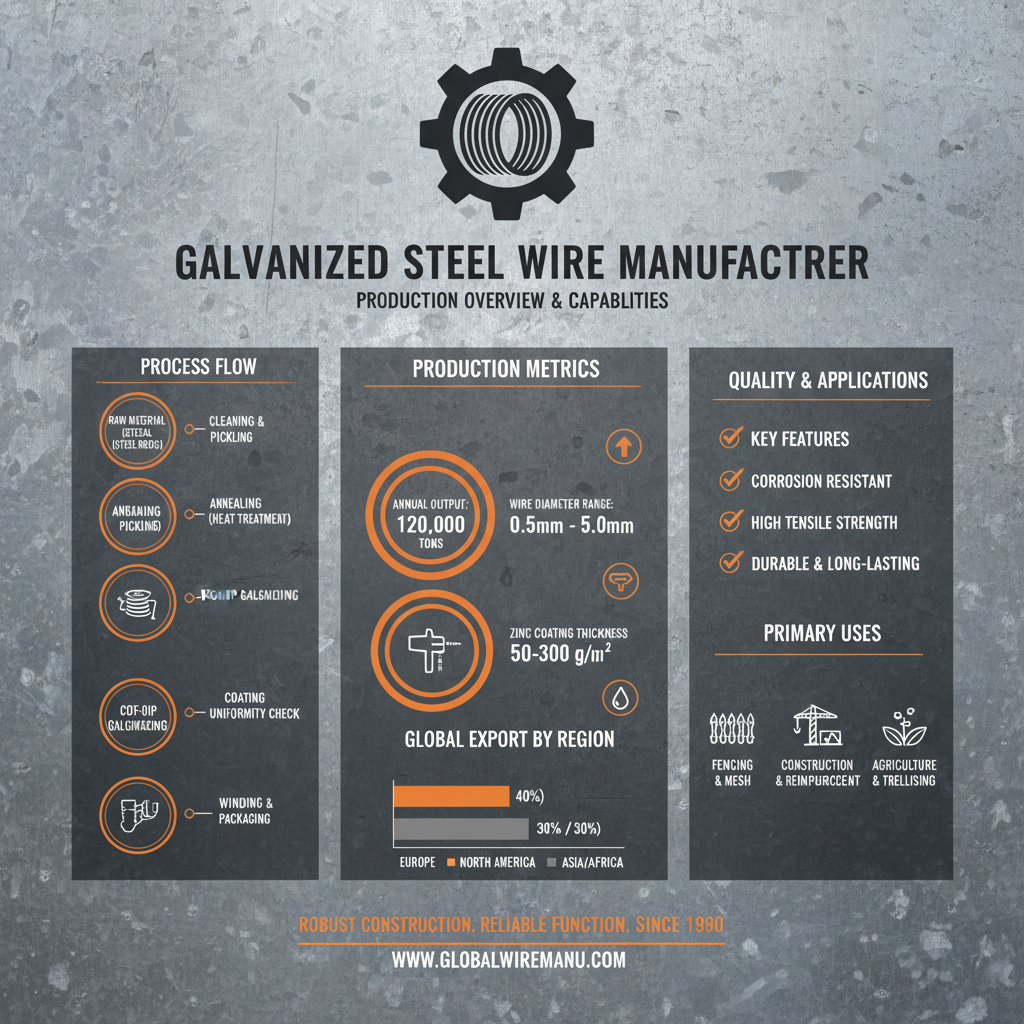
A galvanized steel wire manufacturer specializes in the production of steel wire coated with a protective layer of zinc. This process, known as galvanization, significantly enhances the wire's resistance to corrosion and rust. The core business revolves around transforming raw steel materials into high-quality wire products suitable for a wide array of applications. Manufacturers must possess expertise in metallurgy, coating technologies, and quality assurance to meet the demands of diverse industries.
The role of a galvanized steel wire manufacturer extends beyond simply producing the wire. It involves understanding customer requirements, offering customized solutions, maintaining consistent product quality, and adhering to industry standards. Effective galvanized steel wire manufacturers often invest in research and development to improve their processes, introduce new products, and stay ahead of evolving market trends.
The lifespan of galvanized steel wire in outdoor applications varies depending on environmental factors such as humidity, salinity, and pollution levels. However, under normal conditions, it can last for several decades, significantly longer than uncoated steel wire. The zinc coating provides ongoing sacrificial protection, delaying the onset of corrosion. Factors such as coating thickness and alloy composition also influence longevity.
Generally, galvanized steel wire is more cost-effective than stainless steel wire. While stainless steel offers superior corrosion resistance, it is significantly more expensive to produce. Galvanized steel wire provides a good balance of corrosion protection and affordability, making it a suitable option for many applications where extreme corrosion resistance is not critical. The specific cost difference depends on the grade of steel and the thickness of the galvanizing.
Galvanized steel wire finds extensive use in agriculture for fencing, protecting crops and livestock. It’s also utilized in poultry netting, providing secure enclosures for birds. Furthermore, it’s used in vineyard trellising systems to support grapevines, and in constructing agricultural structures like greenhouses and shade houses. The wire’s durability and resistance to weathering are crucial in this demanding environment.
Hot-dip galvanizing involves immersing the steel wire in a bath of molten zinc, creating a thick, durable coating. This method provides excellent corrosion protection and is often more cost-effective. Electrogalvanizing, on the other hand, uses an electric current to deposit a thin layer of zinc onto the steel. It results in a smoother, more uniform coating but typically offers less corrosion resistance than hot-dip galvanizing.
Galvanized steel wire promotes sustainability through its long service life, reducing the need for frequent replacements and minimizing waste. The zinc coating protects the steel from corrosion, conserving natural resources. Furthermore, steel is a highly recyclable material, allowing galvanized steel wire to be recovered and reused at the end of its life cycle, contributing to a circular economy.
A reputable manufacturer should hold certifications demonstrating adherence to industry standards, such as ISO 9001 for quality management systems. Compliance with ASTM specifications for galvanized steel wire is also crucial. Other relevant certifications may include environmental management certifications (e.g., ISO 14001) and safety certifications. These certifications ensure product quality, reliability, and responsible manufacturing practices.
In summary, galvanized steel wire manufacturer is a critical component in a vast range of industries, offering a durable, cost-effective, and corrosion-resistant solution for countless applications. Understanding the galvanizing process, material properties, and industry standards is essential for ensuring optimal performance and longevity. The ongoing innovation in galvanizing techniques and the increasing focus on sustainability will further enhance the value of this essential material.
Looking ahead, galvanized steel wire will continue to play a vital role in building and maintaining robust infrastructure. Further research into advanced coatings and eco-friendly manufacturing processes will solidify its position as a sustainable and reliable material choice for generations to come. For high-quality galvanized steel wire solutions, visit our website: www.lanyewiremesh.com.

Contact Us Now. 100% Customer Satisfaction Guaranteed
Newsletter