• sns03
  • sns03
  • sns03
0%

Table of Contents

Galvanized steel wire mesh. Sounds simple, right? But after years of walking construction sites, feeling the grit under my boots, and watching projects rise from the ground, I can tell you it’s more crucial than most people realize. It's not just about holding things together; it’s about durability, safety, and ultimately, building something that lasts. We’re talking about a material that quietly supports everything from highway overpasses to animal enclosures, and increasingly, rapid deployment shelters. It’s a fundamental building block, and understanding it impacts everything from project budgets to long-term structural integrity.

For years, the industry relied on traditional methods – often involving heavier, more expensive materials. But the demand for cost-effective, resilient solutions is driving a real shift toward galvanized steel wire mesh. We're seeing a surge in its use in developing nations for infrastructure projects, spurred by international aid organizations seeking quick, reliable solutions. The need is only growing, fueled by climate change and increasing demands on existing infrastructure. This isn’t a trend; it's a fundamental rethinking of how we build.

What makes it so important? Look, I've spent too many hours wrestling with rust and corrosion on sites to take material longevity lightly. Galvanization isn’t a gimmick. It's a process that actively protects the steel from the elements, extending its lifespan dramatically. And frankly, that translates to fewer headaches, lower maintenance costs, and a safer environment for everyone involved.
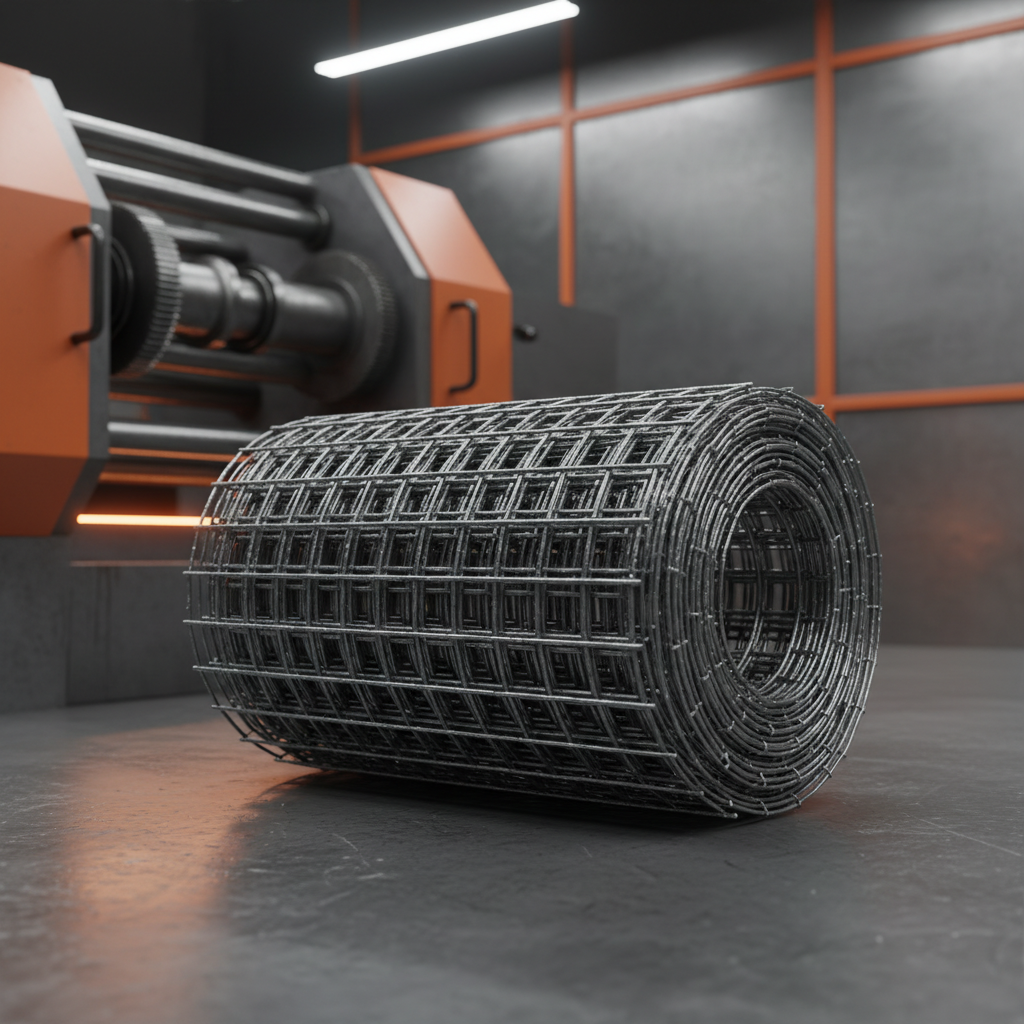
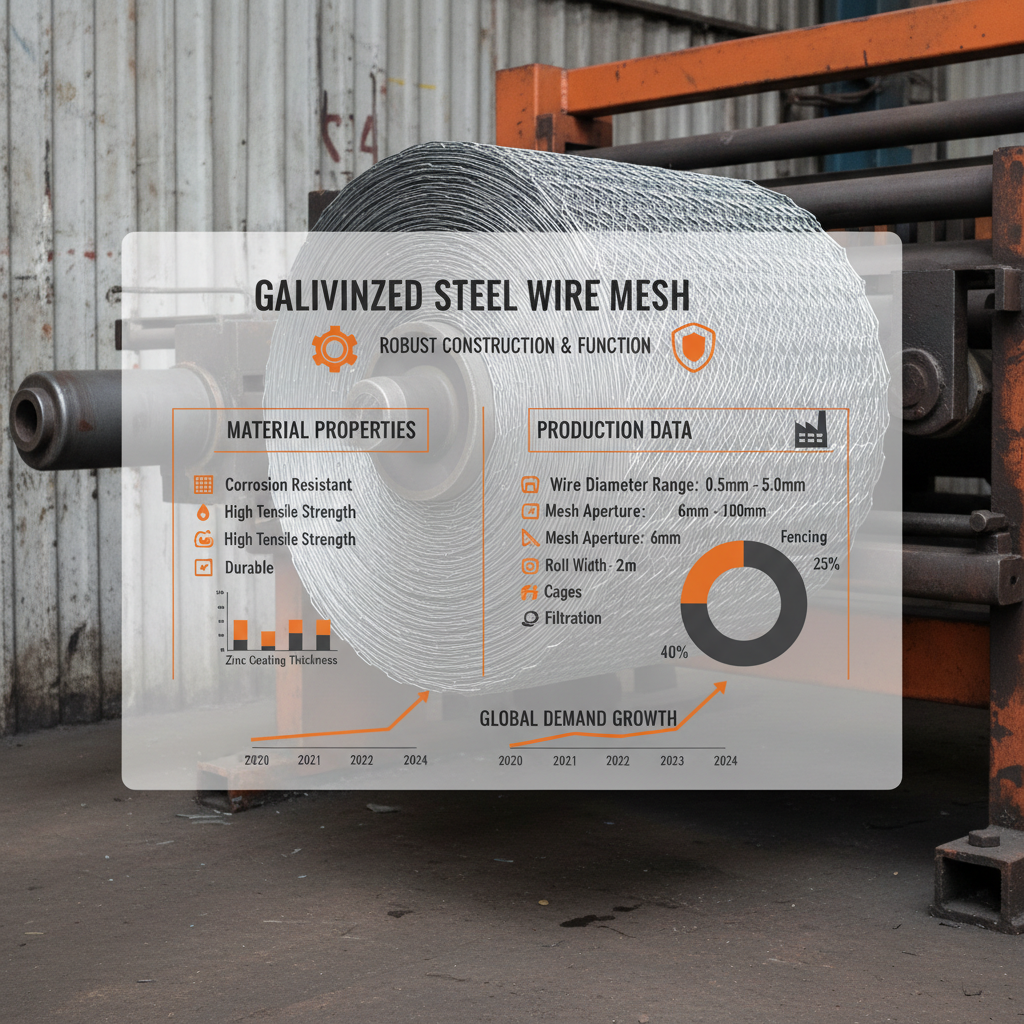
The Crucial Role of Galvanized Steel Wire Mesh in Modern Construction

The Importance of Galvanized Steel Wire Mesh

The Crucial Role of Galvanized Steel Wire Mesh in Modern Construction

I've seen firsthand how crucial a robust material like galvanized steel wire mesh is to a successful project. It’s not glamorous, but it’s the foundation upon which we build. From reinforcing concrete to creating secure barriers, its versatility is remarkable. You really start to appreciate it when you're facing tight deadlines and demanding environmental conditions.

And it’s not just about large-scale construction. Landscaping, agriculture, even DIY projects… the applications are surprisingly broad. The demand is driven by a simple need: reliable, cost-effective, and durable materials. And galvanized steel wire mesh consistently delivers on those fronts.

Global Relevance and Industry Context

The global demand for infrastructure is massive, and it’s only increasing. The UN estimates that trillions of dollars will be needed in infrastructure investment by 2050, just to keep pace with population growth and urbanization. And a significant portion of that investment will rely on materials like galvanized steel wire mesh. We’re talking about bridging gaps in developing countries, upgrading aging infrastructure in established economies, and building resilient systems to withstand the impacts of climate change.

What’s becoming clear is that simply building more isn’t enough. We need to build smarter. That means prioritizing materials that offer long-term value, require minimal maintenance, and have a reduced environmental impact. Galvanized steel wire mesh fits that bill. It addresses the critical need for sustainable and efficient construction solutions on a global scale.

The challenge? Ensuring a consistent supply chain, maintaining quality control, and adapting to evolving industry standards. It's a complex web, but one that’s vital to the future of construction.

Defining Galvanized Steel Wire Mesh

Simply put, galvanized steel wire mesh is a woven grid made from steel wire that's been coated with zinc. This zinc coating is the key – it protects the underlying steel from corrosion, extending its lifespan significantly. It's the difference between a structure that lasts decades and one that needs constant repair.

It's a deceptively simple concept with profound implications. We’re not just talking about preventing rust; we’re talking about reducing life-cycle costs, minimizing environmental impact, and improving the overall safety and reliability of structures. This is a core element in modern infrastructure.

From a practical standpoint, it’s used in an astonishing range of applications, from reinforcing concrete and creating fencing to providing erosion control and safeguarding wildlife. It’s a workhorse material that quietly underpins much of the built environment.

Key Factors: Core Components & Benefits

Let’s break down what makes galvanized steel wire mesh so effective. First, there's the durability – that zinc coating is a game-changer. Second, versatility. You can weave it into different patterns and gauges to suit almost any application.

Then you've got cost-effectiveness. Compared to alternative materials like stainless steel, galvanized steel wire mesh offers a significantly lower upfront cost without sacrificing long-term performance. Finally, scalability is key. It’s relatively easy to manufacture in large quantities, making it ideal for large-scale projects. These four aspects – durability, versatility, cost-effectiveness and scalability – are what make it such a practical choice.

Comparative Analysis of Galvanized Steel Wire Mesh Manufacturing Methods


Global Applications & Use Cases

You see galvanized steel wire mesh everywhere, honestly. In post-disaster relief operations, it's used for temporary shelters and reinforcing damaged structures. I’ve seen it deployed quickly to create secure perimeters in refugee camps. It’s a lifesaver in those situations.

In remote industrial zones, it's used for fencing, security enclosures, and erosion control. It’s a surprisingly effective tool for protecting sensitive infrastructure. It’s also vital in the agricultural sector for animal enclosures and crop protection. It’s a testament to its adaptability.

Advantages & Long-Term Value

The tangible benefits are clear: lower initial cost, reduced maintenance, and extended lifespan. But the long-term value goes beyond just dollars and cents. There’s a significant environmental benefit – less waste, fewer replacements. And there’s the peace of mind knowing you’ve built something that’s reliable and safe.

It's about building trust. Engineers trust it to perform, contractors trust it to be readily available, and end-users trust it to last. It’s a foundational material that contributes to a sense of security and stability. That's an invaluable asset in any project.

Future Trends & Innovations

We’re seeing advancements in galvanization techniques, like enhanced zinc coatings that offer even greater corrosion resistance. There's also growing interest in combining galvanized steel wire mesh with other materials, like polymers, to create hybrid composites with enhanced properties.

Digital transformation is playing a role too. We’re using data analytics to optimize mesh designs, predict lifespan, and improve quality control. And, as sustainability becomes more critical, we’re exploring ways to recycle and reuse galvanized steel wire mesh, reducing its environmental footprint.

The future of galvanized steel wire mesh isn’t just about making it stronger; it’s about making it smarter and more sustainable.

Factors influencing the long-term viability of Galvanized Steel Wire Mesh Applications

Environmental Exposure Mesh Gauge & Weave Pattern Galvanization Coating Thickness Maintenance & Repair Frequency
Coastal Regions (High Salinity) Heavy Gauge, Tight Weave High (e.g., G90) Annual Inspection, Spot Repairs
Industrial Areas (Pollution) Medium Gauge, Standard Weave Moderate (e.g., G60) Bi-Annual Inspection, Minor Repairs
Rural/Agricultural Environments Light Gauge, Open Weave Standard (e.g., G30) Periodic Inspection, As-Needed Repairs
Underground Applications Heavy Gauge, Reinforced Weave Very High (e.g., G180) Infrequent Inspection, Proactive Replacement
Freshwater Exposure Medium Gauge, Standard Weave Moderate (e.g., G60) Routine Inspection, Repair if Damaged
High-Traffic Areas Heavy Gauge, Reinforced Weave High (e.g., G90) Regular Inspection, Immediate Repair

FAQS

What is the typical lifespan of galvanized steel wire mesh in outdoor applications?

The lifespan of galvanized steel wire mesh in outdoor conditions is highly variable, depending on the environment. In relatively benign environments, it can easily last 20-30 years or more. However, in harsh conditions like coastal areas with high salt exposure, or industrial zones with pollutants, the lifespan can be reduced to 10-15 years. The thickness of the zinc coating is a key factor; thicker coatings provide longer protection. Regular inspection and maintenance also play a crucial role in extending its life.

How does the gauge of the wire affect the strength and durability of the mesh?

The gauge, or thickness, of the wire directly impacts the strength and durability. Lower gauge numbers represent thicker wires. Thicker wires offer greater tensile strength, meaning the mesh can withstand higher loads and stresses without breaking or deforming. For applications requiring high strength, like security fencing or retaining walls, a lower gauge wire is essential. Conversely, lighter-duty applications may be suitable for higher gauge wires to reduce cost.

Is galvanized steel wire mesh susceptible to corrosion, and how can it be prevented?

While galvanization significantly enhances corrosion resistance, it’s not impervious. Over time, the zinc coating will gradually corrode, particularly in harsh environments. However, this sacrificial corrosion protects the underlying steel. To prevent premature corrosion, ensure the mesh is free from scratches or damage to the coating during installation. Regularly inspect for any signs of corrosion and address them promptly. Consider applying a protective coating over the galvanization for even greater protection in extreme conditions.

What are the common weave patterns available for galvanized steel wire mesh?

Several common weave patterns exist, each offering different properties. Plain weave is the most basic and cost-effective. Twisted weave offers greater strength and rigidity. Lock crimp weave provides a flat, even surface. Welded wire mesh provides the strongest, most durable construction and is often used in high-security applications. The best weave pattern depends on the intended application and the desired level of strength and durability.

How does galvanized steel wire mesh compare to stainless steel wire mesh in terms of cost and lifespan?

Stainless steel wire mesh offers superior corrosion resistance and a longer lifespan than galvanized steel wire mesh, but comes at a significantly higher cost. Galvanized steel provides a very good balance of durability and affordability for most applications. If extreme corrosion resistance is critical, and budget isn’t a major constraint, stainless steel is the better choice. However, for the vast majority of applications, galvanized steel wire mesh offers excellent value.

Can galvanized steel wire mesh be recycled?

Yes, galvanized steel wire mesh is recyclable! Steel is one of the most recycled materials globally. Recycling reduces the need for raw materials, saves energy, and minimizes landfill waste. The zinc coating is also recovered during the recycling process. Contact your local scrap metal recycling facility for information on how to properly dispose of or recycle galvanized steel wire mesh.

Conclusion

From its humble beginnings as a simple wire grid to its current status as a foundational material in construction and beyond, galvanized steel wire mesh has proven its value time and time again. Its durability, versatility, and cost-effectiveness make it an indispensable component of modern infrastructure and countless other applications. Understanding its properties and potential is crucial for anyone involved in building, engineering, or project management.

Looking ahead, continued innovation in galvanization techniques, combined with a growing focus on sustainability and digital optimization, will only enhance its role in shaping a more resilient and efficient built environment. If you’re looking for a reliable, cost-effective, and long-lasting material for your next project, visit our website at www.lanyewiremesh.com to learn more.

Ethan Bellwether

Ethan Bellwether

Ethan Bellwether is the Senior Market Analyst at Dingzhou Lanye Metal Products. He joined the company in 2018, bringing with him a robust background in steel market trends and international trade. Ethan is responsible for identifying new opportunities within the construction and agricultural sectors, analyzing competitor strategies, and forecasting demand
Previous Exploring the Versatility and Durability of gi Steel Wire Applications
Next The Crucial Role of Galvanized Steel Wire in Modern Infrastructure and Construction

Contact Us Now. 100% Customer Satisfaction Guaranteed

Newsletter