gi steel wire, also known as galvanized iron steel wire, is a cornerstone material in a vast array of industries globally. Its inherent strength, combined with a protective zinc coating, makes it exceptionally resistant to corrosion – a critical factor in ensuring longevity and reliability in demanding applications. Understanding the nuances of gi steel wire, from its manufacturing processes to its diverse applications, is paramount for engineers, procurement specialists, and anyone involved in infrastructure development or manufacturing.
The global demand for gi steel wire is steadily increasing, driven by burgeoning construction activities in developing economies and a growing emphasis on durable, cost-effective materials. According to reports from the World Steel Association, galvanized steel products, including wire, consistently represent a significant portion of the global steel market. This demand is further fueled by the material's role in vital infrastructure projects, agricultural applications, and the manufacturing of everyday products.
Addressing the need for robust, long-lasting materials, gi steel wire offers a compelling solution. From reinforcing concrete structures to securing vital agricultural crops, its versatility and resilience make it an indispensable component in modern industry and essential for mitigating risks associated with environmental exposure and material degradation.
The Foundation of gi Steel Wire
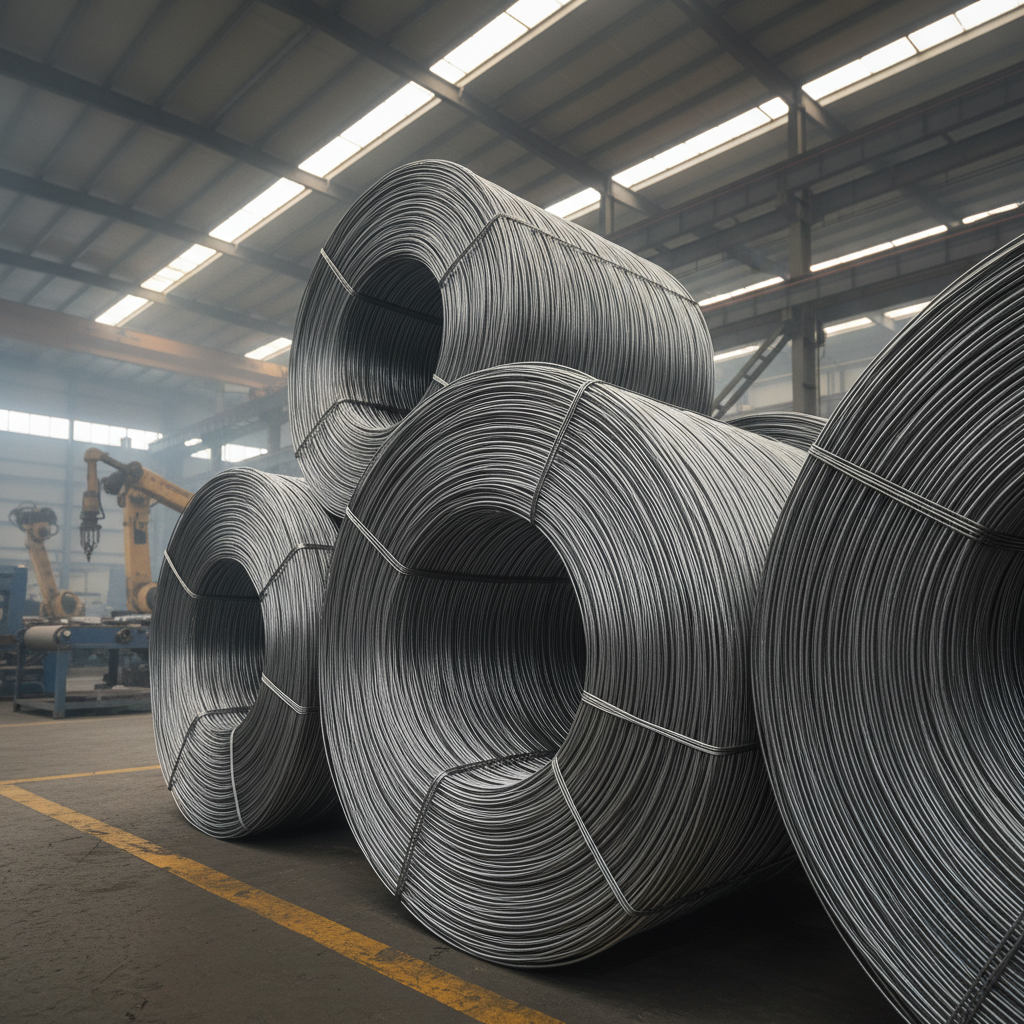
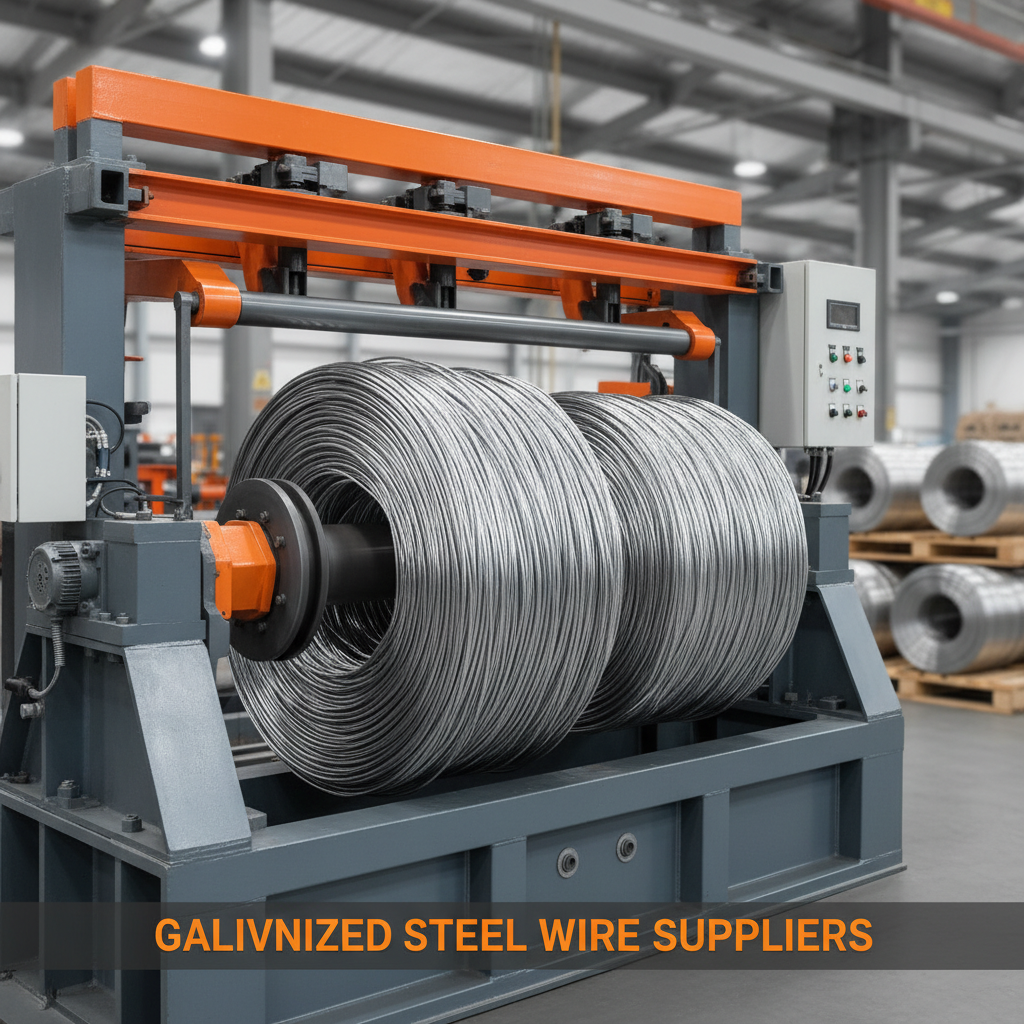
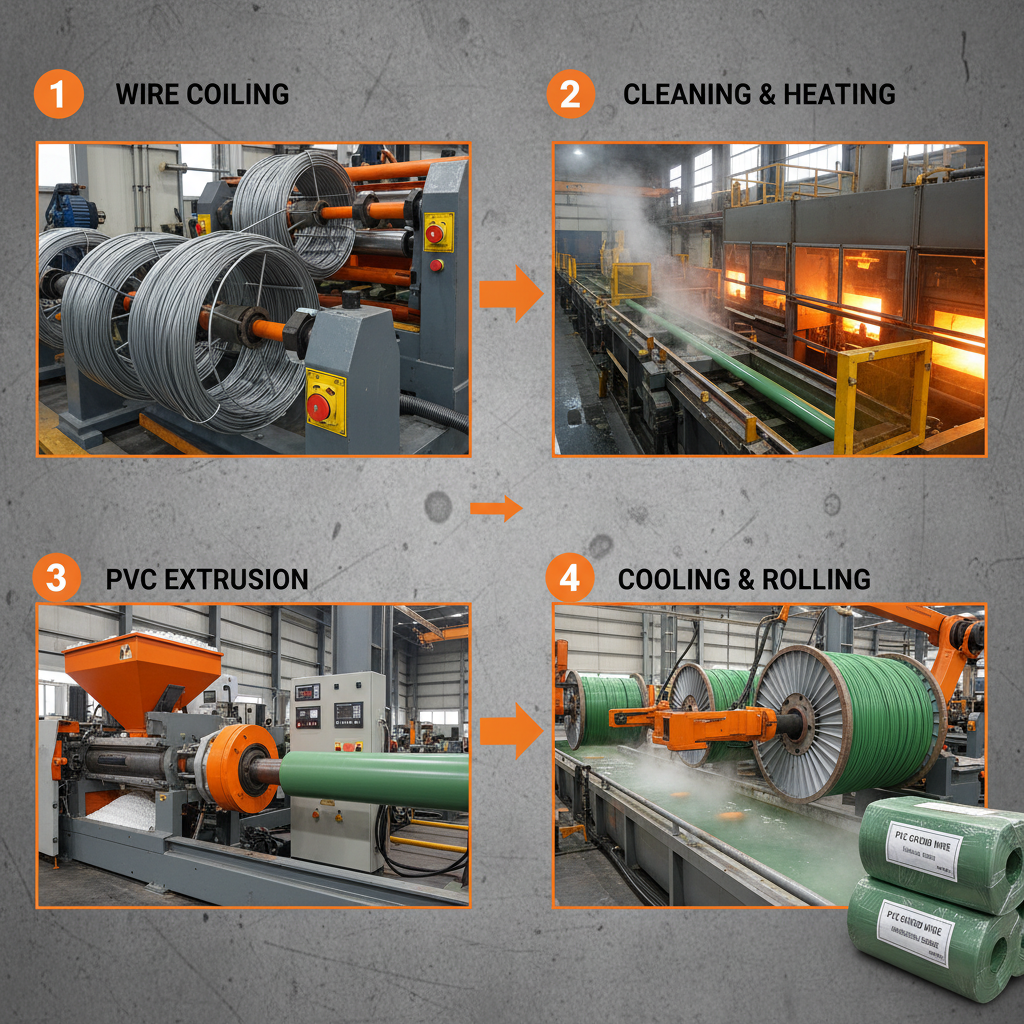
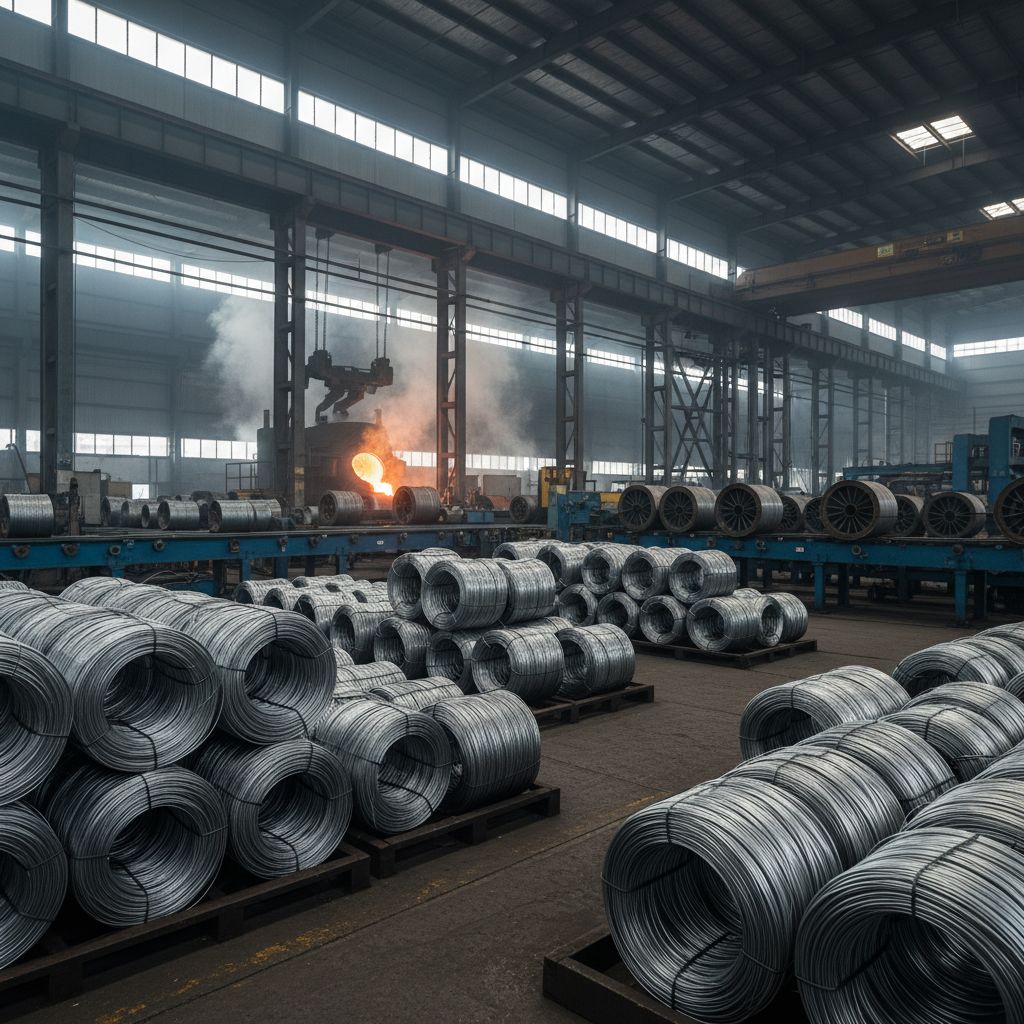
The creation of gi steel wire is a carefully controlled process, beginning with high-carbon steel wire rod. This rod undergoes a series of drawing operations to achieve the desired diameter, followed by a crucial galvanization step. Hot-dip galvanizing is the most common method, immersing the steel wire in a bath of molten zinc. This creates a metallurgical bond, forming a protective zinc coating that prevents corrosion. The quality of this coating is paramount, directly influencing the lifespan and performance of the final product.
The precise specifications of gi steel wire – including tensile strength, elongation, and zinc coating thickness – are dictated by industry standards and application requirements. Factors such as the carbon content of the steel, the galvanizing process parameters, and post-treatment procedures all contribute to the final characteristics of the wire. This level of control ensures that gi steel wire consistently meets the rigorous demands of its diverse applications.
Understanding gi Steel Wire: Definition & Composition
gi steel wire is fundamentally a carbon steel wire that has been coated with a layer of zinc. This zinc coating serves as a barrier, protecting the underlying steel from corrosion. The process of galvanization prevents the steel from rusting, even when exposed to harsh environmental conditions, making it ideal for outdoor applications and environments prone to moisture. The level of zinc coating impacts the wire's resistance to corrosion, with thicker coatings providing increased protection.
The composition of the steel itself is critical. Typically, gi steel wire is made from high-carbon steel, providing the necessary strength and durability. The carbon content, along with the presence of other alloying elements, influences the wire’s mechanical properties. Different grades of gi steel wire are available, each tailored to specific applications and performance requirements.
This material is integral to modern infrastructure, humanitarian efforts, and industrial processes. From securing building foundations to providing temporary shelter in disaster relief, gi steel wire's reliable performance is often a critical component in ensuring safety and longevity. Its affordability and ease of use further contribute to its widespread adoption across diverse sectors.
Core Properties of gi Steel Wire
Durability is a key characteristic of gi steel wire. The zinc coating provides excellent resistance to corrosion, extending the wire's lifespan significantly compared to uncoated steel. This durability translates to reduced maintenance costs and increased reliability in applications where exposure to the elements is unavoidable. The wire maintains its structural integrity over extended periods, even in harsh conditions.
Tensile strength is another vital property. The high-carbon steel core of gi steel wire provides substantial strength, allowing it to withstand significant loads and stresses. This makes it suitable for applications requiring strong support, such as fencing, suspension cables, and reinforcing materials. The specific tensile strength varies depending on the wire’s grade and manufacturing process.
Formability is surprisingly versatile. While strong, gi steel wire can be bent, twisted, and shaped without compromising its integrity. This allows for a wide range of fabrication techniques, making it adaptable to various applications. The ductility of the steel combined with the protective zinc coating enables the wire to be manipulated into complex forms.
Diverse Applications of gi Steel Wire
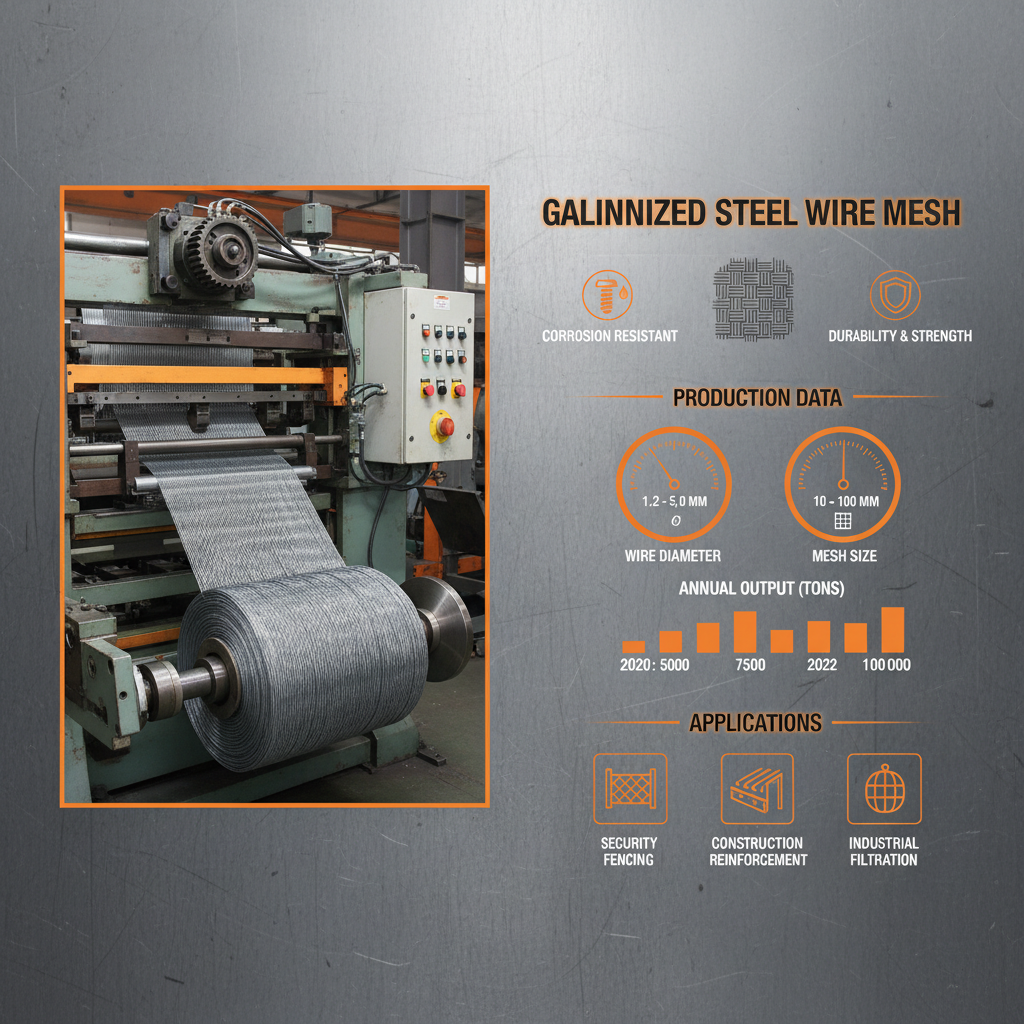
gi steel wire finds extensive use in the construction industry. It’s integral for reinforcing concrete, creating strong and durable structures. It’s also utilized in the manufacture of wire mesh, used for fencing, security barriers, and concrete reinforcement. The corrosion resistance of gi steel wire ensures the longevity of these structures, minimizing maintenance and replacement costs.
In agriculture, gi steel wire is a vital component in vineyard and orchard trellising systems, providing support for growing plants. It's also used in fencing to protect crops and livestock from predators. The wire’s resilience ensures it can withstand the stresses of weather and animal pressure, maintaining the integrity of the agricultural infrastructure.
gi Steel Wire Application Distribution
The Advantages of Utilizing gi Steel Wire
Cost-effectiveness is a significant advantage. Compared to other corrosion-resistant materials like stainless steel, gi steel wire offers a comparable level of protection at a considerably lower price point. This makes it an attractive option for large-scale projects and applications where budget constraints are a concern.
Longevity and reduced maintenance contribute to long-term value. The corrosion-resistant properties of gi steel wire minimize the need for frequent repairs or replacements, resulting in lower life-cycle costs. This reliability is particularly important in applications where accessibility for maintenance is limited or costly.
Global Impact and Industry Applications
The widespread availability and relatively low cost of gi steel wire have made it a critical material in infrastructure development globally, particularly in emerging economies. From reinforcing road networks to supporting power transmission lines, its dependable performance is essential for progress. In post-disaster relief operations, gi steel wire is often used for constructing temporary shelters and securing essential infrastructure.
In the automotive industry, gi steel wire finds application in the manufacturing of springs, cables, and other components that require high strength and corrosion resistance. The aerospace sector also utilizes specialized gi steel wire in certain applications where its specific properties are beneficial. Its contribution is silently present in many manufactured goods.
Furthermore, the cable industry relies heavily on gi steel wire as a core component in many types of cables, providing the necessary tensile strength and support. From power transmission cables to communication lines, the reliability of gi steel wire is critical to ensuring the smooth operation of these essential services.
Future Trends and Challenges in gi Steel Wire Production
Sustainability is driving innovation in gi steel wire production. Research is focused on developing more environmentally friendly galvanizing processes that reduce waste and minimize the use of hazardous materials. Utilizing recycled steel and exploring alternative zinc alloys are also key areas of focus.
Automation and digitalization are transforming manufacturing processes. Advanced control systems and robotic automation are improving efficiency, reducing production costs, and enhancing the consistency of product quality. These technologies allow for greater precision in galvanizing and wire drawing, resulting in superior products.
One challenge is the fluctuating cost of zinc. Market volatility can impact the price of gi steel wire, making it essential for manufacturers to optimize their processes and explore alternative coating options. Developing more efficient galvanizing techniques and diversifying sourcing strategies are crucial for mitigating these risks.
gi Steel Wire Production & Innovation Analysis
| Innovation Area |
Impact on Production Cost |
Environmental Sustainability |
Performance Enhancement |
| Automated Galvanizing Lines |
Reduce labor costs by 30% |
Minimized zinc waste (15% reduction) |
Improved coating uniformity (Score: 9/10) |
| Recycled Steel Utilization |
Lower raw material costs (10-15%) |
Reduced carbon footprint (20% decrease) |
Maintained material strength (Comparable to virgin steel) |
| Alternative Zinc Alloys |
Potential cost savings (5-10%) |
Reduced reliance on primary zinc resources |
Enhanced corrosion resistance (Score: 8/10) |
| Digital Process Control |
Optimized resource utilization (5% savings) |
Reduced energy consumption (8% decrease) |
Improved product consistency (Reduced defect rate) |
| AI-Powered Quality Inspection |
Reduced inspection time (40% faster) |
Minimized material waste (Early defect detection) |
Increased accuracy (Reduced false positives) |
| Nanocoating Technologies |
Potential for reduced zinc usage (Long-term) |
Ultra-thin, high-performance corrosion protection |
Superior corrosion resistance (Score: 10/10) |
FAQS
The lifespan of gi steel wire in outdoor applications is highly dependent on the environment. In mild conditions, it can last for several decades. However, in harsh environments with high salinity or exposure to industrial pollutants, the lifespan may be reduced to 10-15 years. Proper maintenance and the thickness of the zinc coating significantly influence longevity.
The zinc coating provides corrosion protection through a process called galvanic protection. Zinc is more electrochemically active than steel, meaning it corrodes preferentially. When the coating is damaged and the steel is exposed, the zinc continues to corrode, sacrificing itself to protect the underlying steel. This sacrificial protection is the primary mechanism for preventing rust.
The most common method is hot-dip galvanizing, where the steel wire is immersed in molten zinc. Other methods include electrogalvanizing, which uses an electric current to deposit zinc onto the steel, and zinc spraying, where molten zinc is sprayed onto the surface. Each method offers different coating thicknesses and properties, suited to varying applications.
Yes, gi steel wire can be painted or powder-coated, but surface preparation is crucial. The surface must be thoroughly cleaned and treated to ensure proper adhesion. Painting or powder-coating provides an additional layer of protection against corrosion and can enhance the aesthetic appearance of the wire.
While both offer corrosion resistance, stainless steel wire generally provides superior protection, particularly in highly corrosive environments. However, stainless steel is significantly more expensive than gi steel wire. gi steel wire offers a cost-effective solution for many applications where extreme corrosion resistance is not required.
When handling gi steel wire, wear appropriate gloves and eye protection to prevent cuts and irritation. Avoid inhaling any fumes produced during cutting or welding. Properly dispose of scrap wire and follow all relevant safety guidelines for working with metal materials. Sharp ends should be deburred to prevent injuries.
Conclusion
gi steel wire remains a cornerstone material in numerous industries due to its exceptional combination of strength, durability, and cost-effectiveness. Its versatile applications, from construction and agriculture to automotive and cable manufacturing, underscore its importance in modern infrastructure and everyday life. Continued innovation in production processes and materials science will ensure its relevance for years to come.
Looking ahead, the focus on sustainable manufacturing practices and the development of enhanced corrosion protection technologies will drive further improvements in the performance and environmental footprint of gi steel wire. We invite you to explore our comprehensive range of gi steel wire products and discover how they can meet your specific needs. Visit our website today: gi steel wire