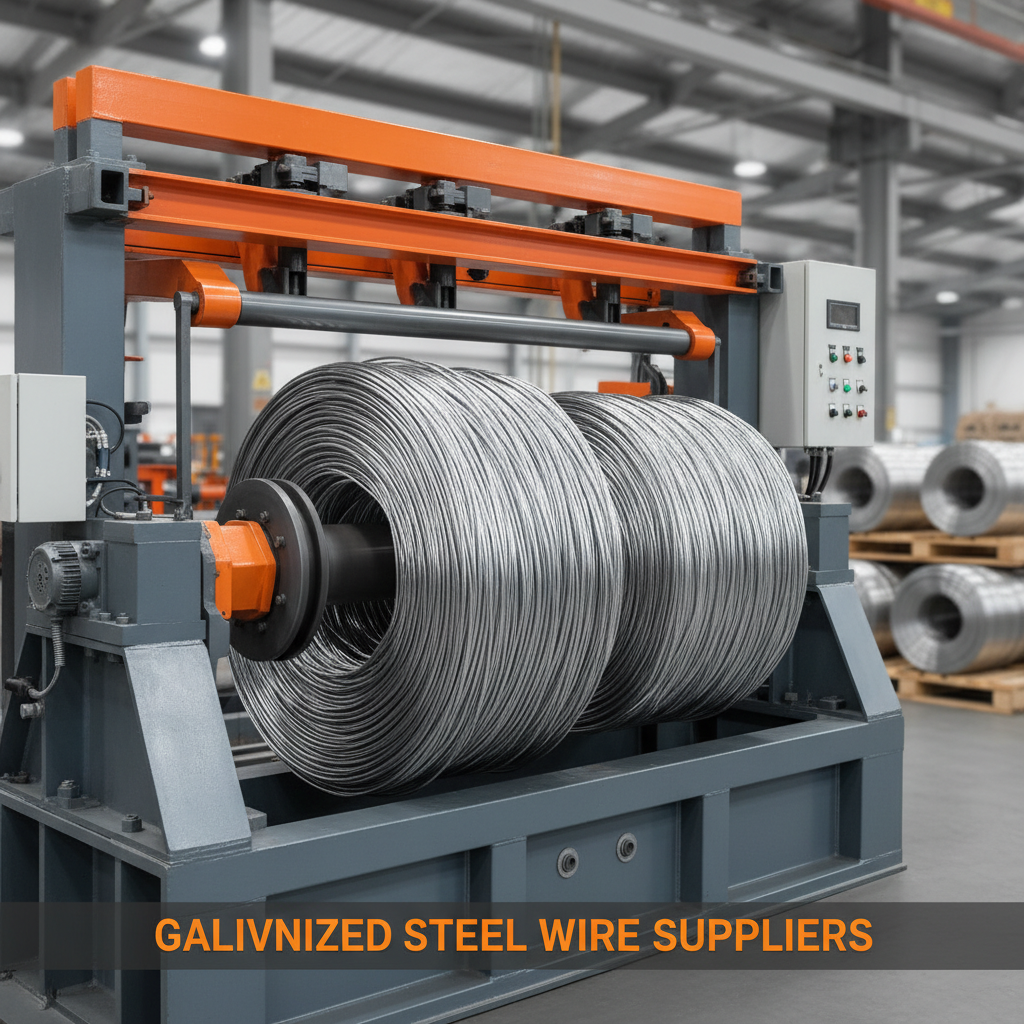
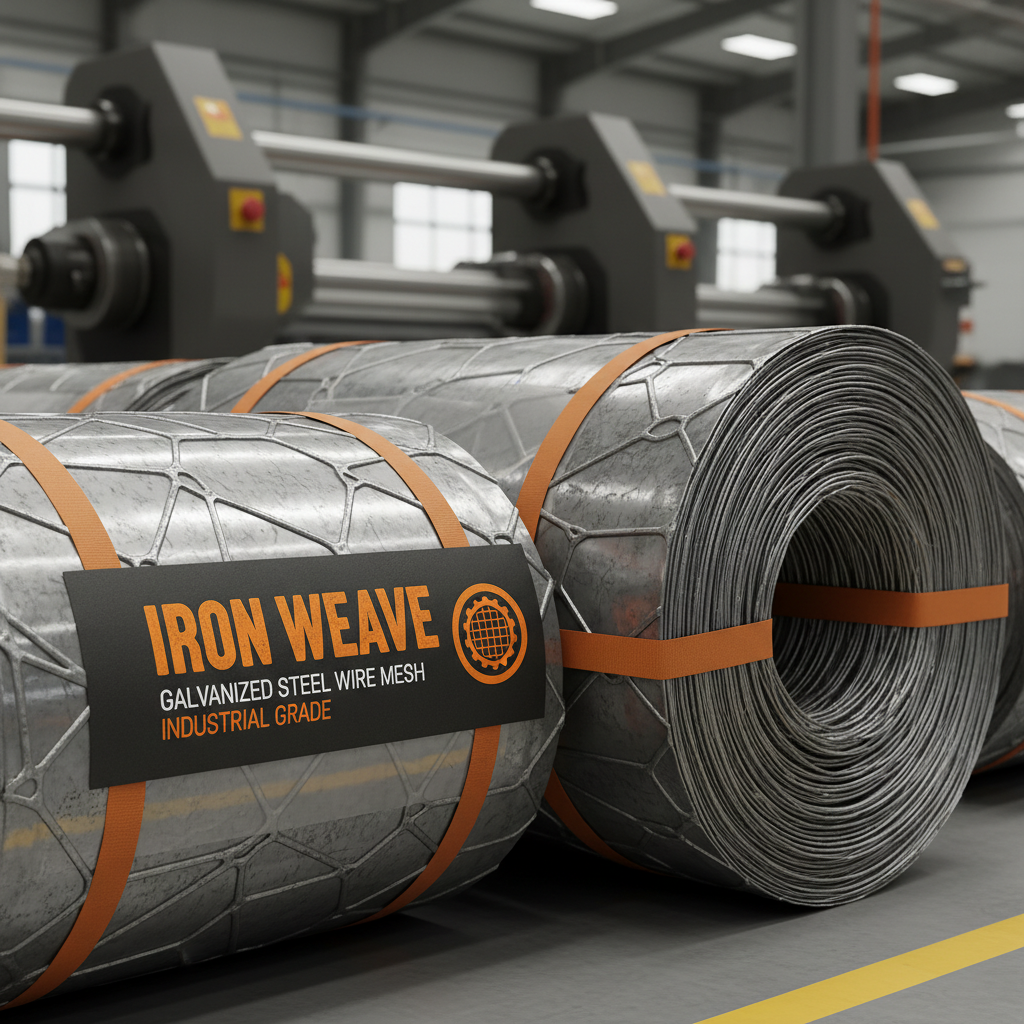
Galvanized steel wire suppliers play a critical role in numerous industries worldwide, providing a foundational material for construction, agriculture, manufacturing, and beyond. The demand for this durable and corrosion-resistant wire is constantly increasing, driven by infrastructure development in emerging economies and a growing need for long-lasting materials in established markets. Understanding the capabilities and offerings of leading galvanized steel wire suppliers is essential for businesses seeking reliable and cost-effective solutions.
The global landscape of galvanized steel wire suppliers is complex, with key players concentrated in regions with robust steel production capabilities like China, India, and Europe. Factors such as production capacity, quality control, pricing, and logistical efficiency significantly differentiate these suppliers. Selecting the right supplier is vital for ensuring project timelines are met, and material specifications are consistently adhered to.
Ultimately, effective sourcing from reputable galvanized steel wire suppliers directly impacts the success and longevity of countless projects. This document aims to provide a comprehensive overview of the industry, outlining key factors, applications, and future trends, allowing for informed decision-making within the supply chain.
The Importance of Galvanized Steel Wire Suppliers
The selection of reliable galvanized steel wire suppliers is paramount for the success of projects across diverse sectors. The quality of the wire directly influences the structural integrity, durability, and longevity of the final product. A strong supplier relationship ensures consistent material quality, timely delivery, and competitive pricing, all of which contribute to project efficiency and profitability.
Beyond the immediate project needs, choosing the right galvanized steel wire suppliers supports sustainable practices. Many leading suppliers are actively investing in environmentally friendly manufacturing processes and offering recycled materials, aligning with the growing demand for responsible sourcing.
Defining Galvanized Steel Wire Suppliers
Galvanized steel wire suppliers are companies specializing in the production and distribution of steel wire that has been coated with a protective layer of zinc. This process, known as galvanization, significantly enhances the steel's resistance to corrosion and rust. The suppliers cater to a wide range of industries, providing wire in various gauges, tensile strengths, and finishes to meet specific application requirements.
These suppliers often offer different galvanization methods, including hot-dip galvanizing, electrogalvanizing, and galvalume (an alloy of zinc, aluminum, and silicon). The choice of method depends on the intended use of the wire and the desired level of corrosion protection. A key aspect of a supplier’s service is often the ability to customize wire specifications to match client needs.
The role of galvanized steel wire suppliers extends beyond simply providing a product. They often offer technical support, including material selection guidance, and logistical services to ensure efficient delivery to project sites around the globe.
Key Factors in Selecting Suppliers
When choosing galvanized steel wire suppliers, several crucial factors must be considered. Quality control is paramount, ensuring that the wire meets industry standards and project specifications. This includes verification of zinc coating thickness, tensile strength, and dimensional accuracy. Reputable suppliers maintain rigorous quality assurance programs and can provide certifications of compliance.
Price is another important consideration, but should not be the sole determining factor. While competitive pricing is desirable, compromising on quality to achieve lower costs can lead to long-term problems. It’s essential to evaluate the total cost of ownership, including potential maintenance, repair, or replacement costs associated with lower-quality wire.
Logistical capabilities are also critical, particularly for large-scale projects. Suppliers should be able to reliably deliver the wire to the required location within the specified timeframe. Consider factors like shipping costs, lead times, and the supplier’s ability to handle complex logistics.
Global Applications and Use Cases
Galvanized steel wire finds widespread application in a diverse range of industries. In construction, it is used extensively in fencing, roofing, concrete reinforcement, and cable trays. Its corrosion resistance makes it ideal for outdoor applications and harsh environments. Agricultural applications include vineyard trellises, poultry netting, and livestock fencing.
The manufacturing sector utilizes galvanized steel wire in the production of springs, fasteners, and wire mesh for various industrial processes. It is also a crucial component in automotive manufacturing, used in cable assemblies and structural components. In remote industrial zones, the durability of galvanized steel wire is invaluable for maintaining critical infrastructure.
Furthermore, galvanized steel wire plays a vital role in post-disaster relief operations, providing materials for temporary shelters, fencing for security, and reinforcement for damaged structures. Its ease of handling and rapid deployment capabilities make it a preferred choice in emergency situations.
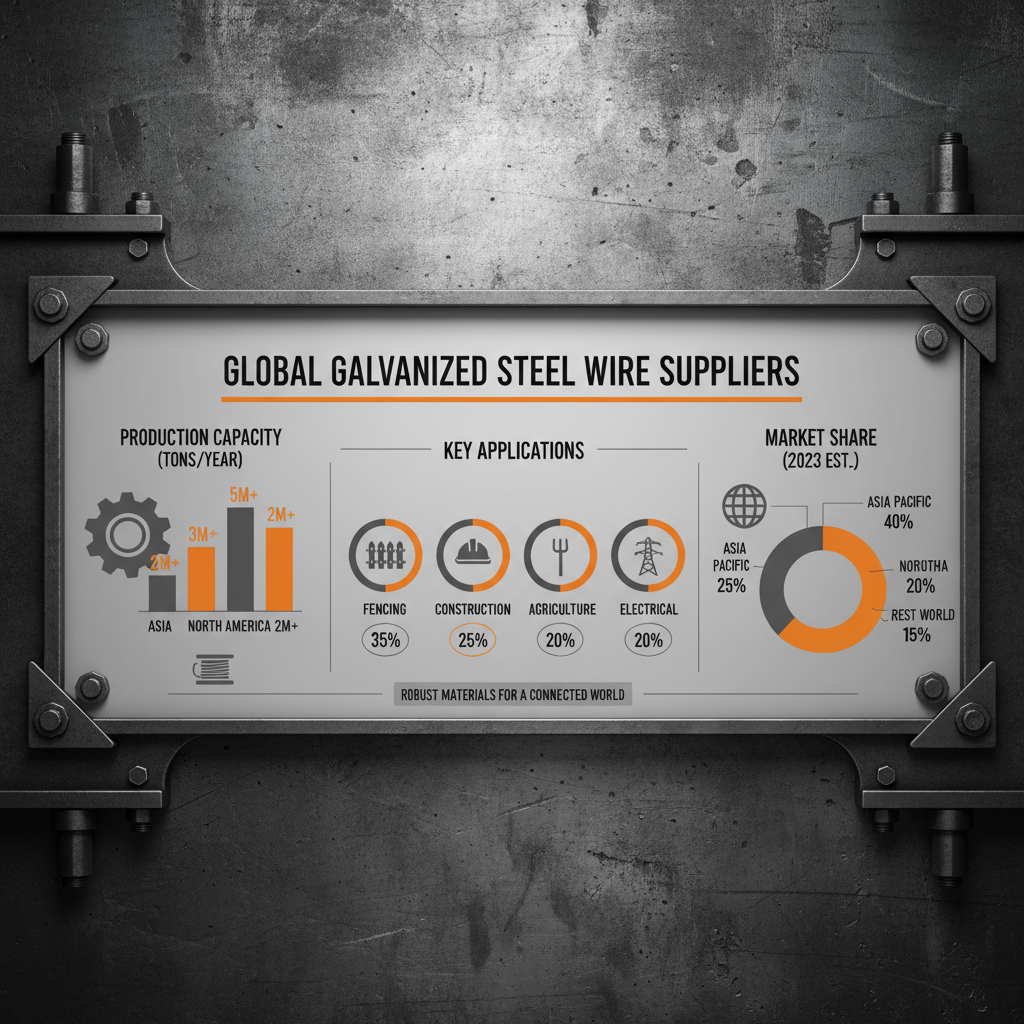
Galvanized Steel Wire Suppliers: Application Distribution
Advantages & Long-Term Value
The primary advantage of using galvanized steel wire lies in its superior corrosion resistance. This translates to a significantly longer lifespan compared to unprotected steel, reducing the need for frequent replacements and minimizing long-term maintenance costs. Selecting quality wire from reliable galvanized steel wire suppliers directly impacts these benefits.
From a sustainability perspective, the durability of galvanized steel wire contributes to reduced material consumption and waste generation. This aligns with the principles of a circular economy, promoting resource efficiency and minimizing environmental impact. Investing in quality wire also builds trust and reliability, enhancing project reputation and fostering long-term partnerships.
Future Trends & Innovations
The galvanized steel wire industry is continuously evolving, driven by advancements in materials science and manufacturing technology. Research into new zinc alloys and coating techniques aims to further enhance corrosion resistance and extend the lifespan of the wire. Digital transformation is also playing a role, with suppliers implementing data analytics and automation to optimize production processes and improve quality control.
Growing emphasis on sustainable practices is leading to increased adoption of recycled steel and the development of environmentally friendly galvanization processes. The integration of smart sensors and IoT technology is enabling real-time monitoring of wire performance, allowing for predictive maintenance and optimized asset management.
Challenges & Solutions
One of the primary challenges facing galvanized steel wire suppliers is maintaining consistent quality in the face of fluctuating raw material prices. Addressing this requires establishing strong relationships with reputable steel producers and implementing robust quality control measures throughout the production process.
Another challenge is minimizing environmental impact. This can be addressed through investment in cleaner production technologies, efficient waste management practices, and the use of recycled materials. Collaboration between suppliers, researchers, and policymakers is essential for developing sustainable solutions.
Finally, ensuring reliable supply chain resilience in the face of global disruptions is critical. Diversifying sourcing options and establishing contingency plans can mitigate risks and ensure continued access to essential materials.
Key Challenges and Solutions for Galvanized Steel Wire Suppliers
| Challenge |
Impact on Suppliers |
Potential Solution |
Implementation Difficulty (1-10) |
| Raw Material Price Volatility |
Reduced Profit Margins |
Long-Term Contracts with Steel Producers |
6 |
| Environmental Regulations |
Increased Compliance Costs |
Investment in Cleaner Production Technologies |
8 |
| Supply Chain Disruptions |
Delivery Delays & Material Shortages |
Diversification of Sourcing & Inventory Management |
7 |
| Maintaining Quality Control |
Customer Dissatisfaction & Product Returns |
Implementing ISO 9001 Standards & Regular Audits |
5 |
| Competition from Low-Cost Producers |
Pressure on Pricing & Market Share |
Focus on Value-Added Services & Niche Markets |
6 |
| Skilled Labor Shortages |
Reduced Production Capacity & Increased Training Costs |
Investment in Employee Training Programs & Automation |
7 |
FAQs
When selecting a galvanization method, consider the intended application and environmental conditions. Hot-dip galvanizing offers robust protection for harsh environments but can have a thicker coating. Electrogalvanizing provides a smoother, more uniform coating for less demanding applications. Galvalume offers enhanced corrosion resistance, particularly in coastal areas, due to the aluminum-zinc alloy. Discuss your specific needs with the supplier to determine the optimal method. Cost, coating thickness, and aesthetic requirements also play a role in the decision.
Start by clearly communicating your tensile strength requirements to the galvanized steel wire suppliers. Request a certificate of analysis (COA) for each batch of wire, verifying that it meets the specified tensile strength standards. Look for suppliers with robust quality control procedures and testing facilities. Consider independent third-party testing to ensure accuracy and compliance.
Typical lead times vary depending on the supplier's production capacity, the size of your order, and current market demand. Generally, expect lead times ranging from 2 to 6 weeks. To minimize delays, provide accurate order specifications, plan ahead, and establish clear communication channels with your supplier. Consider placing bulk orders to secure preferential pricing and shorter lead times.
Key certifications to look for include ISO 9001 (quality management system), ISO 14001 (environmental management system), and relevant industry-specific certifications. These certifications demonstrate the supplier’s commitment to quality, environmental responsibility, and compliance with industry standards. Certifications from accredited organizations provide added assurance.
Many suppliers are increasingly focused on sustainability. This includes using recycled steel, implementing energy-efficient manufacturing processes, minimizing waste generation, and adhering to strict environmental regulations. Some suppliers offer products with reduced zinc content or alternative coating materials. Inquire about the supplier’s sustainability initiatives and environmental policies.
Immediately contact the galvanized steel wire suppliers and document the discrepancies. Provide detailed information about the issues, including photographs and relevant test data. Review the supplier’s warranty and return policies. Work collaboratively with the supplier to resolve the issue, whether through replacement, repair, or a refund. Maintain clear records of all communication and documentation.
Conclusion
In conclusion, selecting the right galvanized steel wire suppliers is critical for the success of countless projects across a vast range of industries. Understanding the key factors involved – quality control, pricing, logistics, and sustainability – empowers businesses to make informed decisions and secure reliable, cost-effective materials. The long-term benefits extend beyond immediate project needs, contributing to durability, reduced maintenance costs, and environmental responsibility.
Looking ahead, the galvanized steel wire industry will continue to evolve with advancements in materials science, manufacturing technology, and sustainable practices. Staying informed about these trends and collaborating with innovative suppliers will be essential for achieving optimal results and maximizing the value of this vital material. Visit our website at www.lanyewiremesh.com to learn more about our galvanized steel wire products and services.