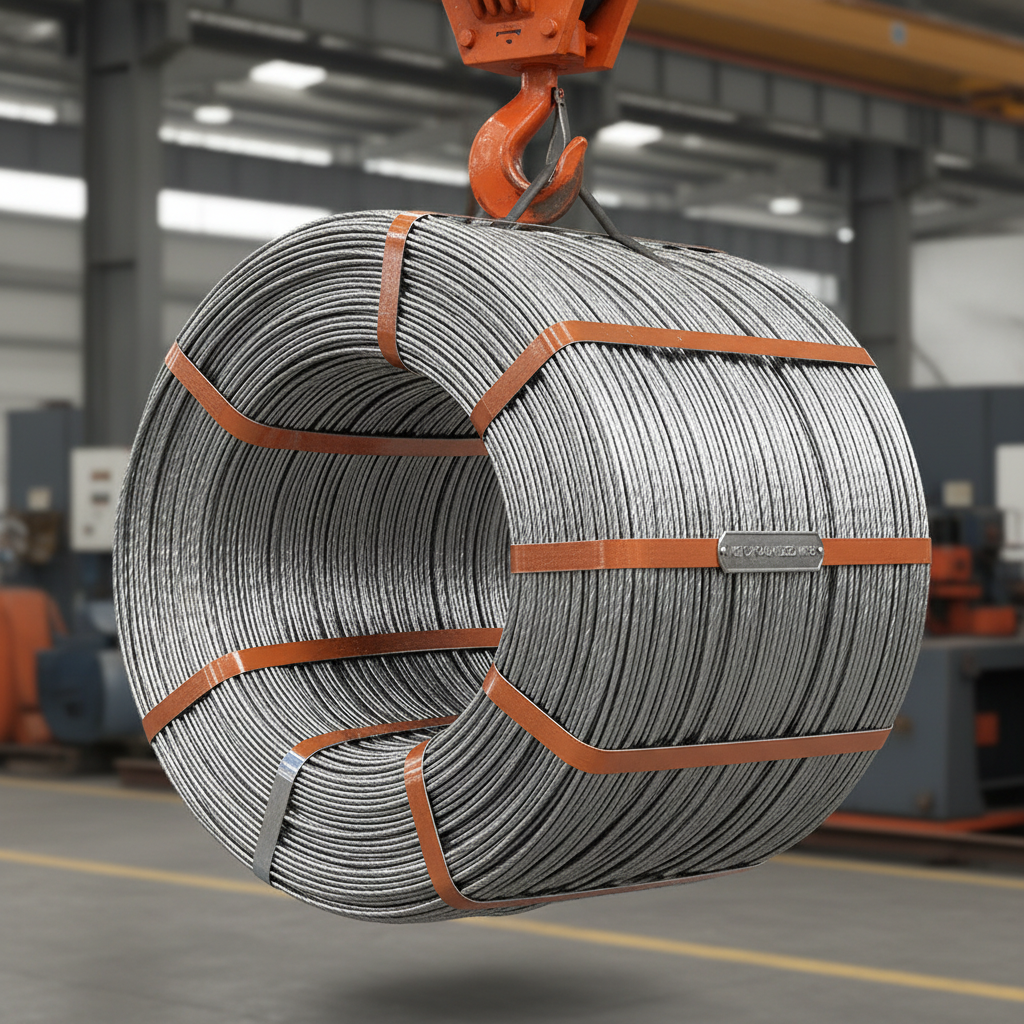
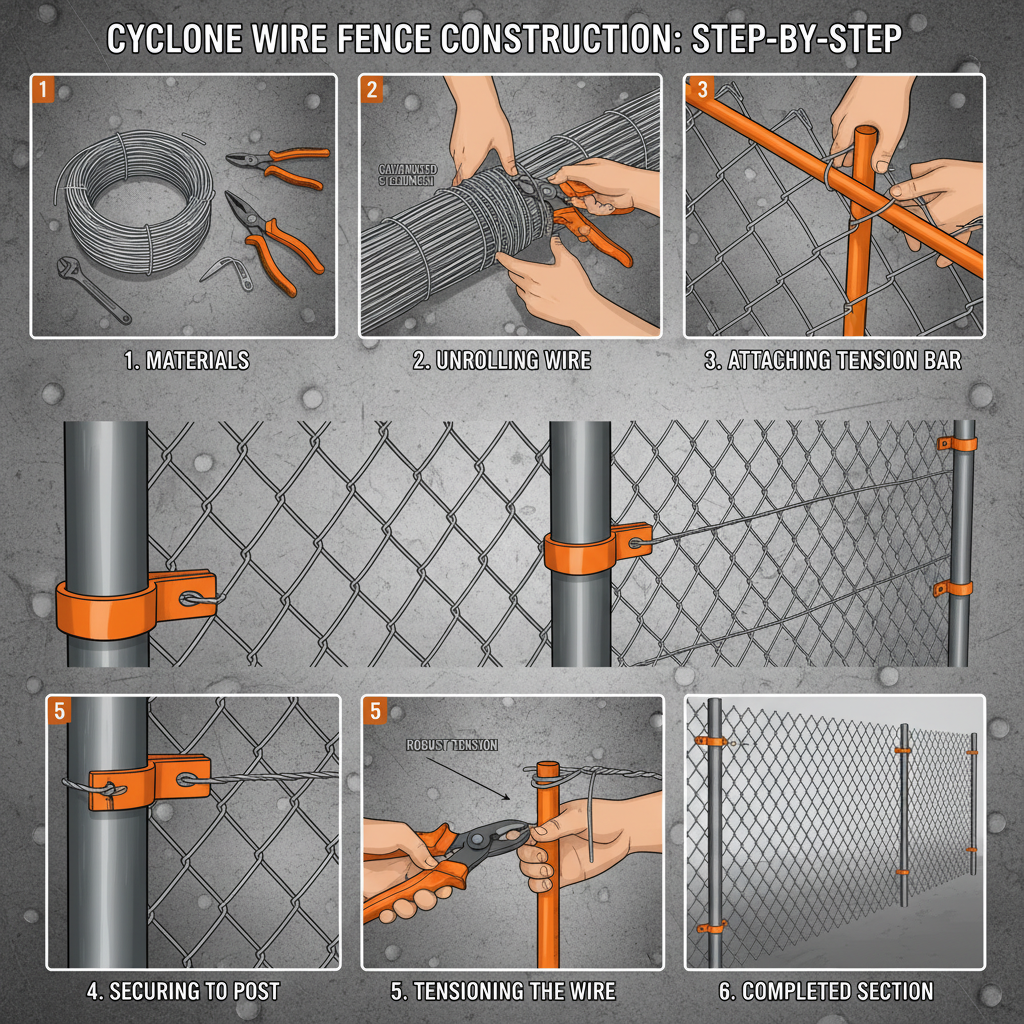
Hot dip galvanized wire is a crucial material in modern infrastructure and construction, offering exceptional corrosion resistance and durability. This process, involving coating steel wire with a layer of zinc, has become a global standard for protecting against the elements and extending the lifespan of various structures and applications. Its widespread adoption stems from its cost-effectiveness and relatively simple application, making it a vital component in everything from power transmission lines to fencing and construction rebar.
The demand for hot dip galvanized wire is directly linked to global industrialization and infrastructure development. Emerging economies, particularly in Asia and Africa, are driving significant growth in the market as they invest heavily in power grids, transportation networks, and housing. Understanding the nuances of this material – its production processes, quality standards, and diverse applications – is crucial for engineers, procurement professionals, and policymakers alike.
Furthermore, the increasing focus on sustainability and reducing maintenance costs is bolstering the appeal of hot dip galvanized wire. Its longevity translates into lower life-cycle costs and reduced environmental impact, aligning with global efforts to promote responsible resource management. This makes it a key enabler of resilient infrastructure and sustainable development across the globe.
Introduction to Hot Dip Galvanized Wire
Hot dip galvanized wire is steel wire that has been coated with a layer of zinc through a process called hot-dip galvanization. This process involves immersing the steel wire in a bath of molten zinc, creating a metallurgical bond that provides exceptional corrosion protection. The zinc coating acts as a barrier, preventing rust and other forms of degradation, and even sacrificially corrodes before the steel itself, extending the wire’s lifespan. hot dip galvanized wire is widely utilized due to its robust nature.
The prevalence of hot dip galvanized wire stems from its affordability and reliability. Unlike other corrosion protection methods, such as painting or powder coating, galvanization offers a durable, long-lasting shield against the elements without requiring frequent maintenance. This makes it an ideal solution for outdoor applications and environments exposed to harsh weather conditions, playing a significant role in the infrastructure and construction industries globally.
The Hot Dip Galvanization Process
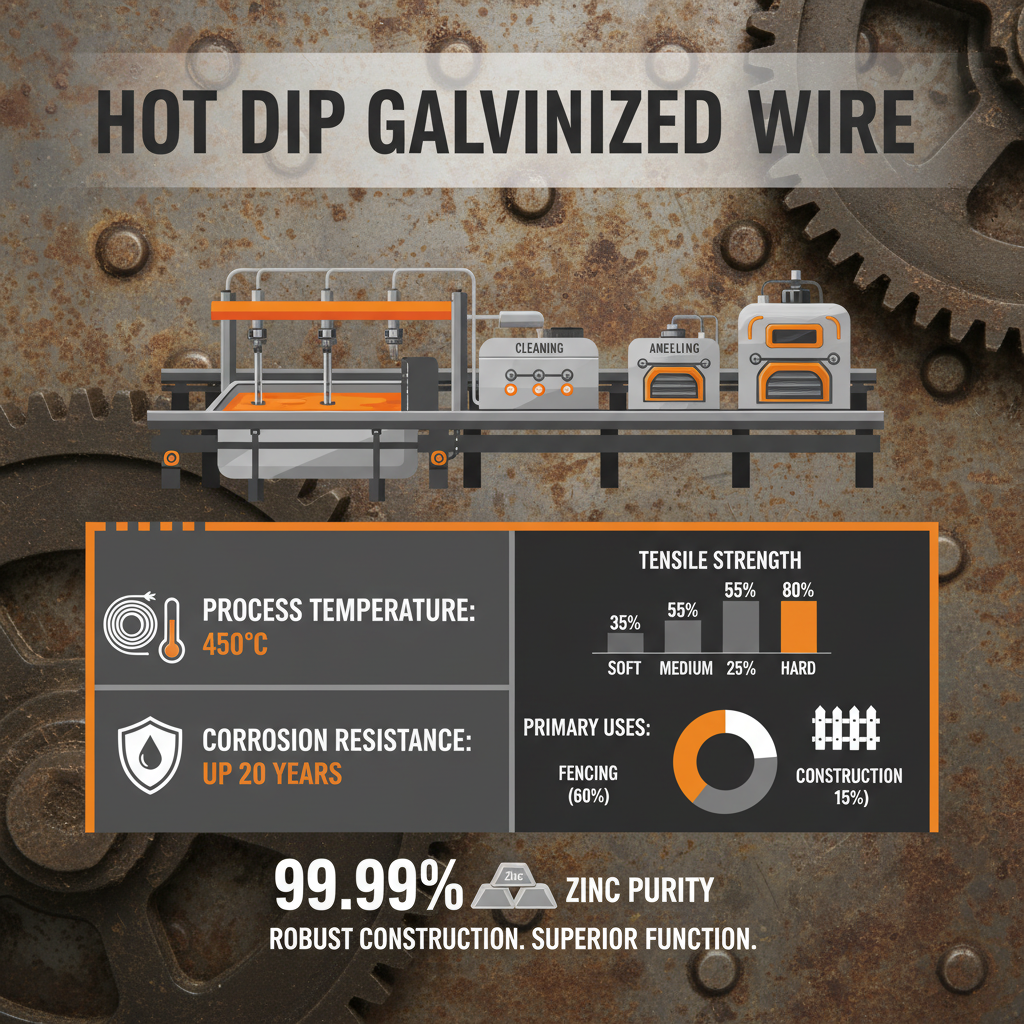
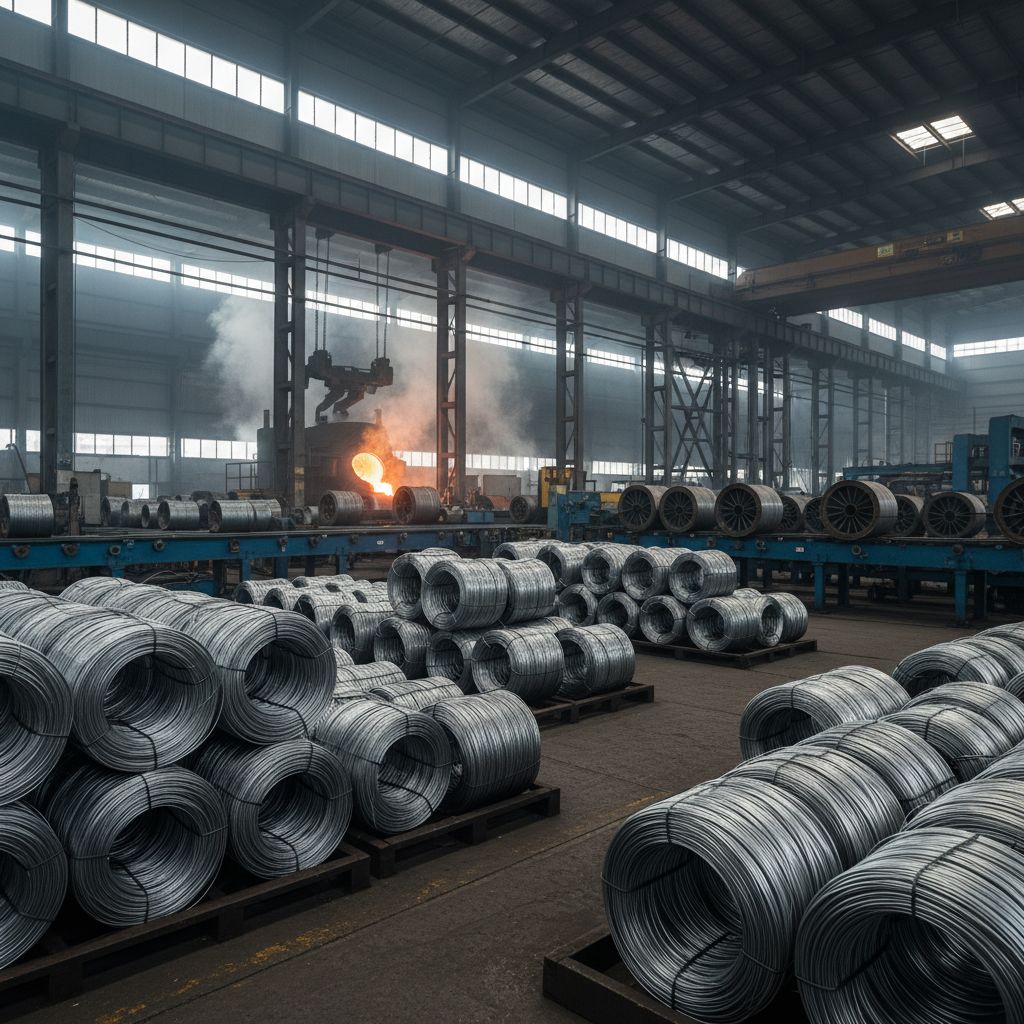
The hot dip galvanization process begins with meticulous steel wire surface preparation, including cleaning to remove oil, grease, rust, and scale. This crucial step ensures proper adhesion of the zinc coating. The wire is then fluxed with a chemical solution to further prepare the surface and promote a strong metallurgical bond. Next, the wire is immersed in a bath of molten zinc, typically maintained at a temperature of around 840°F (450°C).
During immersion, a series of zinc-iron alloy layers form through a metallurgical reaction, creating a robust and corrosion-resistant coating. The wire is then withdrawn from the bath and cooled, often through quenching in water to control the growth of the zinc crystal structure. Finally, the galvanized wire may undergo additional treatments, such as passivation, to further enhance its corrosion resistance.
Quality control is paramount throughout the entire process, ensuring that the zinc coating meets specified thickness and adhesion standards. Variations in the galvanization process, like zinc bath composition and cooling rates, can significantly impact the final product’s performance.
Key Characteristics of Hot Dip Galvanized Wire
One of the defining characteristics of hot dip galvanized wire is its exceptional corrosion resistance. The zinc coating forms a protective barrier against atmospheric elements, preventing rust and oxidation. This is particularly important in harsh environments such as coastal areas, industrial settings, and agricultural lands. The uniformity of the zinc coating is critical, ensuring consistent protection across the entire wire surface.
The metallurgical bond between the zinc coating and the steel substrate is another vital characteristic. This bond is stronger than simply adhering a coating to the surface, creating a robust and durable layer that resists chipping, cracking, and peeling. This strong bond ensures long-term protection, even under stress or mechanical impact. hot dip galvanized wire's structural integrity is improved significantly through this bonding process.
Furthermore, hot dip galvanized wire boasts excellent ductility and flexibility. The zinc coating doesn’t significantly compromise the wire’s ability to bend and form, making it suitable for a wide range of applications, including fencing, cable armoring, and wire rope construction. This flexibility combined with its corrosion resistance offers a versatile and long-lasting material solution.
Performance Metrics of Hot Dip Galvanized Wire
Assessing the performance of hot dip galvanized wire relies on several key metrics. Coating thickness, measured in microns or ounces per square foot, is a primary indicator of corrosion resistance – thicker coatings generally provide longer protection. Adhesion strength, tested using methods like the bend test and salt spray test, determines the bond between the zinc coating and the steel substrate.
Another critical parameter is the zinc coating uniformity, as uneven distribution can create weak points susceptible to corrosion. The metallurgical structure of the zinc-iron alloy layers also plays a role in long-term performance. Ultimately, consistent quality control and adherence to industry standards are essential for ensuring the reliability of hot dip galvanized wire.
Comparison of Corrosion Resistance by Hot Dip Galvanization Method
Global Applications and Industries Served
Hot dip galvanized wire finds extensive application in the construction industry, serving as reinforcing steel (rebar) in concrete structures, providing corrosion protection to foundations, bridges, and tunnels. It is also essential in agricultural fencing, protecting livestock and crops from predators and weathering. This ensures longevity and reduces replacement costs.
The telecommunications sector relies heavily on hot dip galvanized wire for cable armoring, protecting communication lines from damage and corrosion. In the power transmission industry, it’s utilized in overhead ground wires and stay wires, ensuring the reliability of electrical grids. In post-disaster relief operations, hot dip galvanized wire is frequently deployed for temporary shelters and infrastructure repair.
Advantages and Long-Term Value Proposition
The primary advantage of hot dip galvanized wire lies in its superior corrosion resistance, significantly extending the lifespan of structures and components. This translates into reduced maintenance costs, fewer replacements, and ultimately, lower life-cycle costs. The durability of galvanized wire also enhances safety by minimizing the risk of structural failure.
From a sustainability standpoint, hot dip galvanization is an environmentally responsible choice. Zinc is a naturally occurring element and is recyclable. The longevity of galvanized structures reduces the demand for new materials, conserving resources and minimizing waste. Furthermore, the reliable performance of hot dip galvanized wire contributes to infrastructure resilience and long-term economic stability.
The long-term value proposition extends beyond cost savings and environmental benefits. The reliability and durability of galvanized wire enhance trust and confidence in the infrastructure it supports, fostering economic growth and improving quality of life.
Future Trends and Technological Advancements
Ongoing research is focused on enhancing the performance of hot dip galvanized coatings through alloy modifications and advanced surface treatments. These advancements aim to improve corrosion resistance, adhesion, and ductility, pushing the boundaries of what's achievable with galvanization. The integration of digital technologies, such as real-time monitoring and predictive maintenance, is also gaining traction.
Furthermore, developments in automated galvanization processes are increasing efficiency and reducing costs. The increasing focus on sustainability is driving the development of eco-friendly galvanization techniques, minimizing environmental impact. The growing demand for high-strength, lightweight materials is fueling innovation in galvanized steel wire alloys, tailoring solutions to specific application requirements.
The industry is also exploring the potential of combining galvanization with other protective coatings, creating hybrid systems that offer synergistic benefits. This multi-layered approach can provide even greater corrosion protection and extend the lifespan of critical infrastructure components.
Summary of Challenges and Solutions Related to Hot Dip Galvanized Wire
| Challenge |
Impact on Performance |
Proposed Solution |
Implementation Cost (1-10) |
| Uneven Coating Thickness |
Reduced Corrosion Resistance |
Automated Coating Monitoring |
6 |
| Hydrogen Embrittlement |
Decreased Ductility & Strength |
Baking/Post-Treatment |
5 |
| Zinc Bath Composition Fluctuations |
Variations in Coating Quality |
Real-Time Bath Analysis |
7 |
| Surface Preparation Inadequacies |
Poor Adhesion |
Enhanced Cleaning Protocols |
4 |
| Environmental Concerns (Zinc Emissions) |
Regulatory Compliance Issues |
Emission Control Systems |
8 |
| High Initial Investment Cost |
Barrier to Entry |
Government Incentives/Subsidies |
3 |
FAQS
Hot dip galvanized wire excels in coastal environments due to its exceptional resistance to salt spray and corrosion. Common applications include marine fencing, harbor infrastructure reinforcement, and mooring lines. The zinc coating acts as a barrier against chloride ions, preventing rust and extending the lifespan of structures exposed to harsh marine conditions. Regular inspections are still recommended, but the galvanized wire provides a long-term, reliable solution compared to untreated steel.
While painting can provide temporary corrosion protection, hot dip galvanization offers a significantly more durable and long-lasting solution. Painting requires regular maintenance, reapplication, and surface preparation, while galvanization provides a self-healing, metallurgical bond that resists chipping and scratching. Galvanization also provides cathodic protection, meaning the zinc corrodes preferentially, protecting the underlying steel even if the coating is damaged. This makes it more cost-effective over the long term.
The lifespan of hot dip galvanized wire in outdoor conditions varies depending on the environment. In rural areas, it can easily exceed 50 years. In industrial or coastal environments, the lifespan may be shorter, typically ranging from 20-30 years. However, even in harsher conditions, galvanized wire provides substantially longer protection than untreated steel or alternative coatings, significantly reducing maintenance and replacement costs.
Absolutely. Hot dip galvanized wire is extensively used in agriculture for fencing, poultry netting, and vineyard trellises. Its corrosion resistance protects against animal contact, fertilizers, and weathering, ensuring long-lasting and reliable performance. The durability of galvanized wire reduces the need for frequent repairs or replacements, saving farmers time and money.
The hot dip galvanizing process involves the use of zinc and other chemicals. Modern galvanizing facilities employ stringent environmental controls to minimize emissions and wastewater discharge. Zinc is a recyclable material, and many galvanizers actively recover and reuse zinc from spent baths. Regulations are in place to ensure responsible handling and disposal of materials, minimizing environmental impact.
Key quality control measures include regular monitoring of zinc bath composition, coating thickness testing, adhesion testing (bend test, salt spray test), and visual inspection for defects. Galvanizers adhere to industry standards such as ASTM and ISO to ensure consistent quality. Documentation and traceability are also crucial aspects of the quality control process, allowing for identification and resolution of any issues.
Conclusion
In summary, hot dip galvanized wire stands as a cornerstone material in modern infrastructure, offering exceptional corrosion resistance, durability, and cost-effectiveness. Its widespread adoption across diverse industries – from construction and agriculture to telecommunications and power transmission – underscores its vital role in building resilient and sustainable systems. Understanding its properties, applications, and future trends is crucial for professionals seeking to optimize performance and minimize life-cycle costs.
Looking ahead, continued innovation in galvanization processes, coupled with the integration of digital technologies, will further enhance the capabilities and sustainability of hot dip galvanized wire. Investing in research and development, promoting best practices, and adhering to stringent quality standards will ensure that this valuable material continues to meet the evolving needs of a global society. Visit our website at www.lanyewiremesh.com to learn more about our products and services.