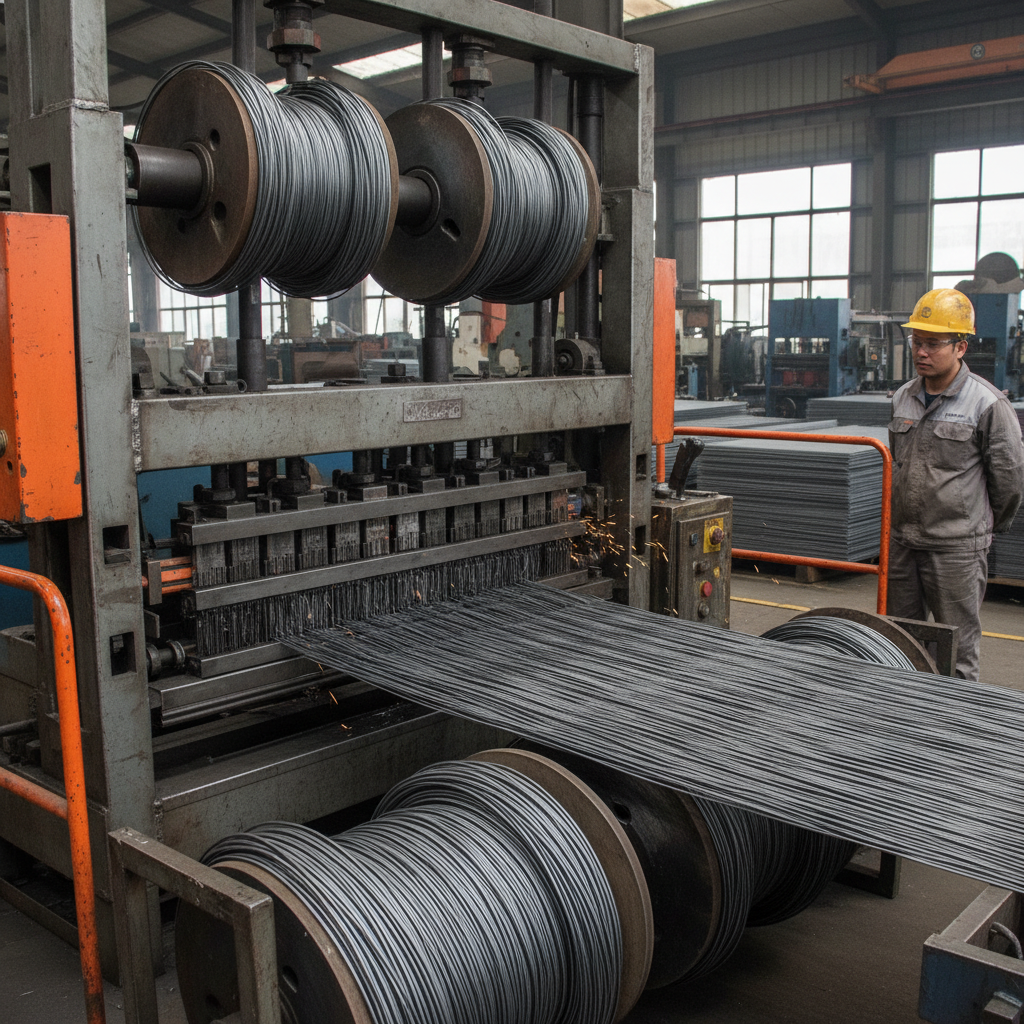
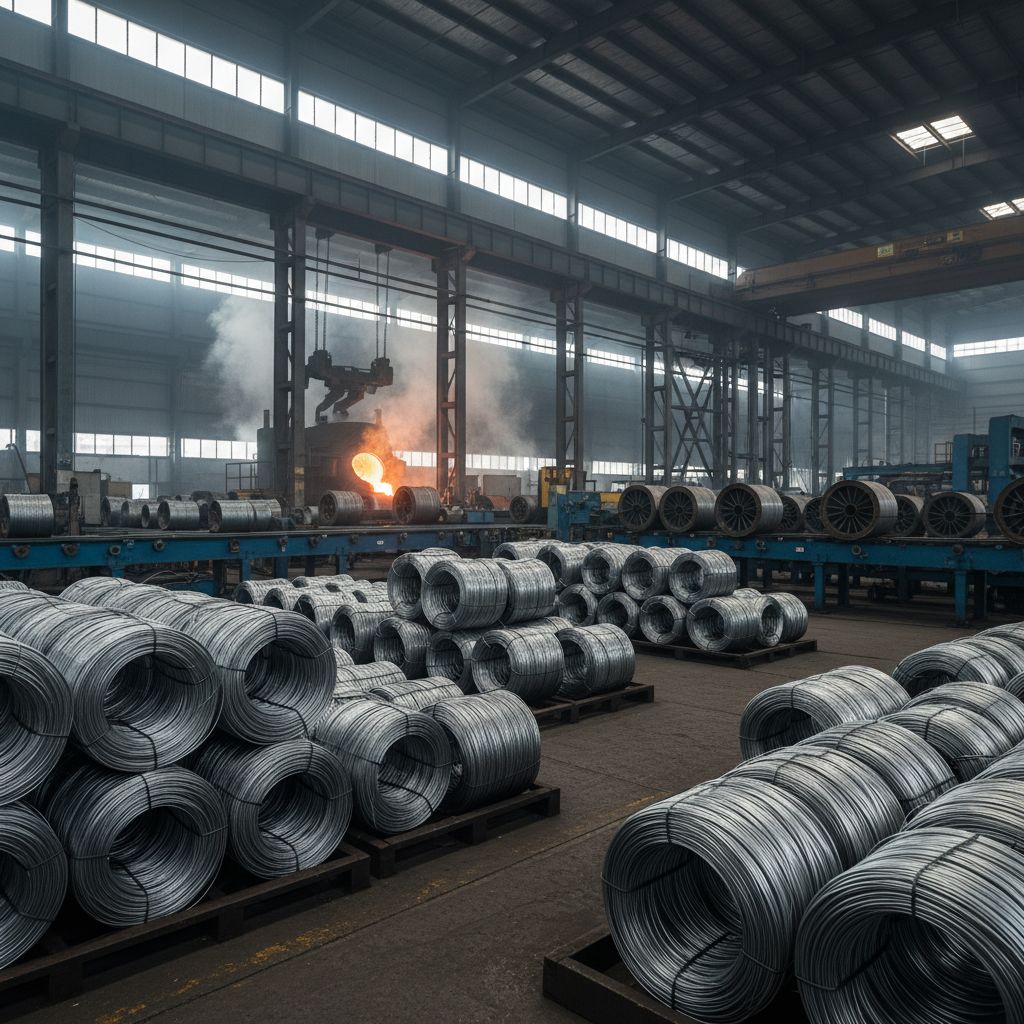
Carbon steel wire – it's not glamorous, but it's the backbone of so much of what we build. I spend my days on construction sites, and I can tell you, a project lives or dies based on the quality of materials. You start with solid carbon steel wire, you're starting on solid ground. It's a fundamental building block for everything from reinforcing concrete to securing fencing, and it's a material I've come to rely on day in and day out. It's about strength, dependability, and knowing it's going to hold up when things get tough, and that’s what carbon steel wire delivers.
What gets overlooked is just how versatile this stuff is. It’s not just about strength; it's about adaptability. We're seeing more and more innovative uses for it – pre-stressed concrete, advanced cable systems, even in specialized textiles for construction safety. It’s a workhorse material that’s constantly evolving, and frankly, it's a relief to work with something so consistently reliable in a field where surprises are the norm. carbon steel wire is a constant on almost every job.
And beyond construction, it’s woven into the fabric of our infrastructure – power transmission lines, bridges, the very foundations of modern life. It's not always visible, but it's always there, quietly doing its job. That quiet dependability is why I keep coming back to it, and why I trust it with the projects I oversee.
The Importance of Carbon Steel Wire in Modern Infrastructure
You look around any city, and carbon steel wire is holding things together. It's in the concrete of our buildings, the cables supporting bridges, the fencing around our properties. It's a largely unseen material, but it's absolutely critical to the structural integrity of our modern world. The sheer volume of carbon steel wire used globally is staggering – millions of tons are produced annually, and demand continues to grow with infrastructure development, particularly in emerging economies. According to the World Steel Association, steel production reached nearly 1.9 billion tonnes in 2022, a significant portion of which is allocated to wire production.
The challenge now isn't just producing enough, but doing so sustainably. We're seeing increased scrutiny on manufacturing processes and a push for more environmentally friendly production methods. This is important because as we build bigger and better, we need to do it responsibly, and that includes minimizing the environmental impact of even the most fundamental materials like carbon steel wire.
Defining Carbon Steel Wire: Properties and Composition
Simply put, carbon steel wire is steel with a carbon content ranging from 0.05% to 2.1% by weight. That carbon content is what gives it its strength and hardness. Different carbon percentages lead to different properties – lower carbon content means more ductility, while higher carbon content means greater strength but less flexibility. It’s a balancing act, and choosing the right wire for the job depends on the specific application.
It’s not just carbon though. There are other alloying elements added during the manufacturing process, like manganese, silicon, and phosphorus, to fine-tune the properties of the wire. These elements can improve things like weldability, corrosion resistance, and tensile strength. Understanding the composition of the wire is critical for engineers and builders – you need to know exactly what you're working with.
This material plays a crucial role in humanitarian efforts as well. Quick-deployable shelters often rely on carbon steel wire frameworks for their stability and portability, allowing rapid response to disaster-stricken areas. The UN often utilizes these structures in refugee camps and emergency housing situations.
Key Characteristics of High-Quality Carbon Steel Wire
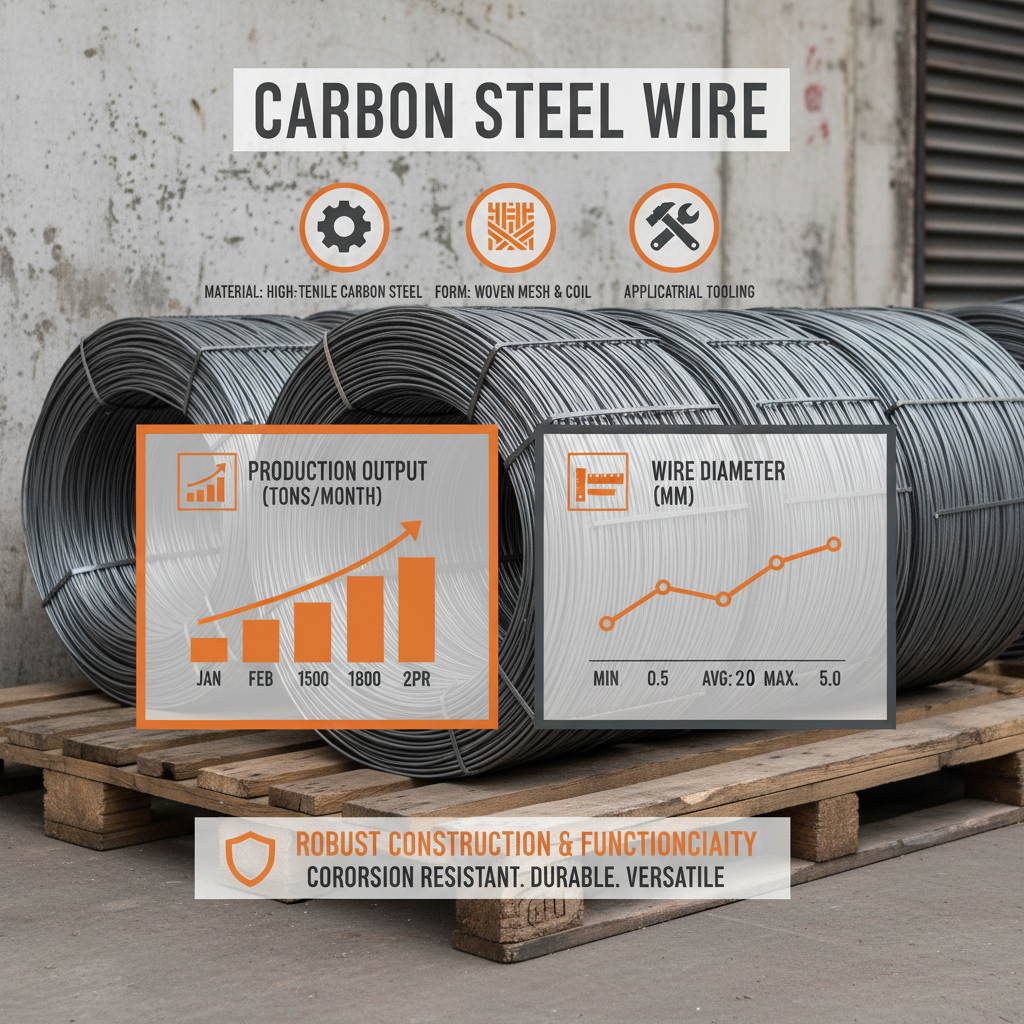
The first thing you look for is tensile strength. That's how much stress the wire can withstand before it breaks. A higher tensile strength means a stronger, more durable product. Then there’s ductility – how much the wire can be stretched or bent before it fractures. You want a wire that can absorb some stress without snapping. Fatigue resistance is also key, especially in applications where the wire is subjected to repeated stress cycles. You don’t want it failing after a few months of use.
Corrosion resistance is often overlooked, but it’s hugely important. Especially in outdoor applications, you need a wire that can withstand the elements. Galvanization – coating the wire with zinc – is a common method for improving corrosion resistance. The quality of the galvanization process is critical; a poor coating will fail quickly. We’ve seen too many projects delayed due to premature corrosion of substandard wire.
Finally, consistency is paramount. You want a wire that's uniform in diameter and composition along its entire length. Variations can create weak points and lead to failures. That’s why working with reputable suppliers who adhere to strict quality control standards is so important. I’ve learned the hard way that cheap wire often ends up costing you more in the long run.
Diverse Applications of Carbon Steel Wire Across Industries
Construction is the big one, of course. Rebar, mesh for concrete reinforcement, pre-stressed concrete cables – all rely heavily on carbon steel wire. But it extends far beyond that. Automotive manufacturing uses it in tires, springs, and cables. The energy sector uses it in power lines and offshore platforms. Agriculture utilizes it for fencing, irrigation systems, and greenhouse structures.
Even the packaging industry uses carbon steel wire for strapping and binding. It's in the smallest things, like paper clips, and the largest things, like suspension bridges. I’ve even seen it used in specialized art installations!
Carbon Steel Wire Usage by Industry (Estimated %)
Advantages and Long-Term Value of Carbon Steel Wire
The biggest advantage is cost-effectiveness. Compared to other materials like stainless steel or specialized alloys, carbon steel is significantly cheaper. This makes it accessible for a wider range of projects, especially in developing countries where budget constraints are a major concern. But cheap doesn't mean weak – when properly specified and installed, carbon steel wire provides exceptional durability and reliability.
Beyond cost, there's the sustainability aspect. Steel is highly recyclable, and a large percentage of carbon steel wire is made from recycled materials. This reduces the demand for virgin resources and minimizes the environmental impact. And, as I said earlier, its longevity contributes to its long-term value – a well-maintained structure using quality carbon steel wire will last for decades, reducing the need for frequent repairs or replacements.
Future Trends and Innovations in Carbon Steel Wire Technology
We're seeing a lot of research into high-strength low-alloy (HSLA) carbon steel wires. These wires offer increased strength and corrosion resistance compared to traditional carbon steel, without the cost of stainless steel. There’s also work being done on surface treatments and coatings to further enhance corrosion protection and extend the lifespan of the wire.
And then there's the integration of smart technologies. Some companies are developing carbon steel wires with embedded sensors that can monitor stress levels and detect potential failures. This allows for proactive maintenance and prevents catastrophic collapses. That’s the kind of innovation that gives me confidence in the future of this material.
Challenges and Solutions in Carbon Steel Wire Production and Implementation
Corrosion remains the biggest challenge. Despite galvanization and other protective measures, carbon steel is still susceptible to rust, especially in harsh environments. One solution is to develop more effective coatings, such as epoxy-based coatings or advanced polymer coatings. Another is to use corrosion inhibitors in the concrete mix.
Another challenge is quality control. Ensuring consistent quality across different manufacturers and batches can be difficult. Implementing stricter quality control standards and certifications is crucial. We also need to improve training for construction workers on proper installation techniques – a poorly installed wire is just as likely to fail as a substandard one.
Finally, there’s the issue of sourcing sustainable materials. We need to increase the use of recycled steel and reduce the carbon footprint of the manufacturing process. This requires collaboration between steel producers, construction companies, and policymakers.
Summary of Carbon Steel Wire Challenges and Solutions
| Challenge |
Impact Severity (1-10) |
Proposed Solution |
Implementation Cost (USD) |
| Corrosion |
9 |
Advanced Polymer Coatings |
50,000 |
| Quality Control Variance |
7 |
Stricter Certification Standards |
20,000 |
| Sustainable Sourcing |
6 |
Increased Recycled Content |
10,000 |
| Installation Errors |
8 |
Enhanced Worker Training |
15,000 |
| Material Cost Fluctuations |
5 |
Long-Term Supply Contracts |
5,000 |
| Limited Design Flexibility |
4 |
HSLA Wire Development |
30,000 |
FAQS
The lifespan is highly dependent on environmental factors, particularly exposure to chlorides (like saltwater). In ideal conditions, properly embedded and protected carbon steel wire can last 75-100 years. However, in coastal areas or where de-icing salts are used, corrosion can significantly reduce this lifespan to 30-50 years, necessitating regular inspections and potential repairs. Proper concrete cover and the use of corrosion inhibitors are key to maximizing longevity.
Higher carbon content generally decreases weldability. More carbon makes the steel harder and more prone to cracking during welding. Lower carbon steels are easier to weld, but may not provide the necessary strength for certain applications. Specific welding techniques and the use of appropriate welding electrodes are crucial to successfully welding higher carbon content wires. Pre-heating the steel can also help reduce the risk of cracking.
Galvanization is the most common method, providing a zinc coating that sacrificially corrodes before the steel. Epoxy coatings offer a more durable barrier but are more expensive. Concrete cover is also critical, as it provides a physical barrier against corrosive agents. Finally, corrosion inhibitors can be added to the concrete mix to slow down the corrosion process. Regular inspections and maintenance are essential for early detection and repair of corrosion.
Carbon steel wire has a relatively low melting point compared to other alloys. It’s generally not suitable for sustained high-temperature applications exceeding 400-500°C (750-930°F) without significant loss of strength. At elevated temperatures, oxidation and creep become significant concerns. For high-temperature applications, materials like stainless steel or heat-resistant alloys are typically preferred.
The main difference is corrosion resistance. Stainless steel contains chromium, which forms a protective oxide layer, making it highly resistant to rust. Carbon steel, while stronger and cheaper, is susceptible to corrosion and requires protective coatings. Stainless steel is also more expensive and may have lower tensile strength in some cases. The choice depends on the specific application and budget constraints.
Tensile strength is absolutely critical. It determines the wire's ability to withstand loads without breaking. Insufficient tensile strength can lead to structural failure, posing a serious safety risk. Engineers carefully calculate the required tensile strength based on the anticipated loads and stresses on the structure, ensuring the selected wire meets the necessary specifications. Using wire with inadequate tensile strength is a recipe for disaster.
Conclusion
Carbon steel wire is far more than just a commodity; it’s a fundamental building block of our modern world. Its strength, versatility, and cost-effectiveness make it an indispensable material for a vast range of applications. Understanding its properties, limitations, and future trends is crucial for anyone involved in construction, engineering, or infrastructure development. From the smallest fasteners to the largest bridges, it's quietly holding things together.
Looking ahead, continued innovation in materials science and manufacturing processes will further enhance the performance and sustainability of carbon steel wire. Investing in research and development, promoting responsible sourcing, and prioritizing quality control will ensure that this essential material continues to serve us well for generations to come. Visit our website at www.lanyewiremesh.com to learn more about our carbon steel wire products and solutions.