When security professionals and facility managers look to buy razor wire, they are investing in a critical physical deterrent designed to prevent unauthorized access through aggressive cutting resistance and psychological intimidation. In the specialized field of metal wire manufacturing, razor wire represents the high-security end of the perimeter fencing spectrum, demanding precise material engineering to ensure both durability and effectiveness.
The primary challenge for buyers is navigating the technical differences between various blade profiles, coatings, and core wire strengths. Selecting an inadequate grade can lead to premature corrosion or structural failure, compromising the security of the entire site. Understanding the relationship between the tensile strength of the core wire and the sharpness of the razor ribbon is essential for maximizing the ROI of any perimeter security project.
This guide provides a professional framework for evaluating razor wire specifications, matching the right product to specific application environments, and establishing a rigorous standard for supplier selection to ensure long-term operational reliability.

Understanding Razor Wire Fundamentals

Razor wire, often referred to as concertina wire when coiled, is a specialized barrier consisting of a high-tensile steel core wrapped in a razor-sharp ribbon. Unlike standard barbed wire, which focuses on snagging clothing or skin, razor wire is designed to cut through materials and deter intruders through a combination of sharp edges and a complex, tangled structure that is extremely difficult to navigate or dismantle quickly.
From a manufacturing perspective, the quality of the base wire—such as the use of galvanized steel or specialized cold-drawn hard wire—determines the barrier's resistance to sagging and environmental degradation. In the broader context of the metal products industry, the integration of precision drawing and coating technologies ensures that the razor edges remain sharp and the core remains rigid under tension.
Key Technical Specifications for Buyers
When you prepare to buy razor wire, the technical data sheet is the most critical document for ensuring the product meets security requirements. Buyers must look beyond the basic dimensions and focus on the metallurgical properties of the wire. The core wire's tensile strength is paramount; if the wire is too soft, the coils can be easily compressed or pushed aside, neutralizing the security benefit.
Key parameters typically include the blade diameter, the clip spacing (which determines the stability of the coil), and the coating thickness. For example, hot-dipped galvanized coatings are generally preferred over electro-galvanized options for outdoor installations due to their superior thickness and long-term corrosion resistance in humid or salty environments.
Matching Blade Profiles to Security Needs
Not all razor ribbons are created equal. The profile of the blade significantly impacts the "cutting effectiveness" and the difficulty of bypassing the fence. BTO (Barbed Tape Obstacle) is common for high-security military or industrial zones, while CBT (Concertina Barb Tape) is frequently used for perimeter reinforcement. The choice depends on whether the goal is total exclusion or a delayed-entry deterrent.
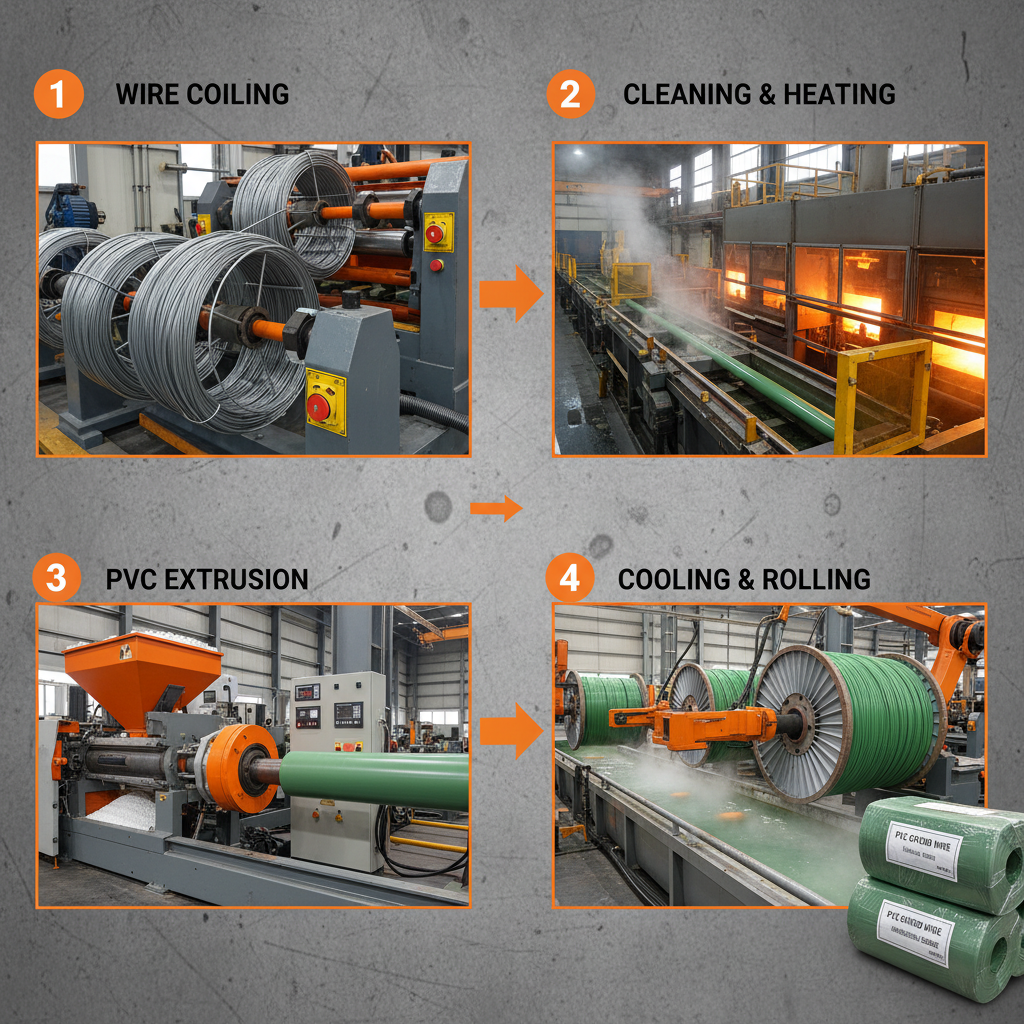
For residential or light commercial use, PVC-coated razor wire is an option that provides a degree of environmental protection and a slightly different aesthetic, though the primary function remains the same. The critical decision factor is the balance between the sharpness of the blade and the rigidity of the overall structure, ensuring that the wire does not deform when subjected to external pressure.
Evaluating Perimeter Performance Factors
Performance in perimeter security is measured by the "time-to-breach"—the amount of time it takes for an intruder to create a gap large enough to pass through. This is influenced by the coil diameter, the overlap of the loops, and the strength of the connecting clips. A tighter coil with high-strength clips provides a more formidable physical and psychological barrier.
The following illustrative framework represents the relative impact of different technical factors on the overall security effectiveness of a razor wire installation. This normalized index helps buyers prioritize specifications during the procurement process.
Supplier Evaluation and Quality Standards
Evaluating a manufacturer requires a deep dive into their production capabilities. A professional supplier should have a complete quality inspection system, from the raw material stage (such as Q195 grade steel) to the final winding process. The use of specialized equipment, such as plum-blossom wire spreading machines, ensures that the wire is wound without tangling, which is crucial for efficient onsite installation.
Buyers should verify if the manufacturer has an in-house R&D team capable of customizing elongation and tensile strength to meet specific project needs. A manufacturer that can provide detailed material certifications and demonstrates a commitment to standardized production processes reduces the risk of receiving substandard materials that may fail in the field.
Common Procurement Risks and Mitigations
One of the most common mistakes when seeking to buy razor wire is prioritizing the lowest unit price over the coating quality. Low-cost options often use thin electro-galvanization that rusts within months in coastal or industrial areas, leading to a loss of structural integrity. Mitigation involves specifying "hot-dipped galvanized" or "PVC coated" based on the environmental salinity and humidity.
Another risk is the "loose coil" phenomenon, where poor winding techniques lead to uneven spacing between loops. This creates "soft spots" in the perimeter that intruders can exploit. To prevent this, buyers should request samples to check the consistency of the clip spacing and the tension of the coil, ensuring a uniform barrier across the entire installation length.
Security Solution Comparison Framework
Depending on the risk level of the facility, different wire configurations are required. The following table provides a qualitative comparison of common security wire options to assist in the final decision-making process, focusing on the balance between installation complexity and deterrent power.
| Wire Type | Primary Strength | Installation Complexity | Best Use Case |
|---|---|---|---|
| Standard Barbed | Basic Deterrence | Low | Agricultural/Rural |
| Galvanized Razor | High Cutting Power | Medium | Industrial Perimeters |
| PVC Coated Razor | Corrosion Resistance | Medium | Coastal Facilities |
| Concertina Coil | Structural Rigidity | High | High-Security Zones |
| BTO Tape | Extreme Deterrence | High | Military/Government |
| Welded Mesh + Razor | Combined Barrier | Very High | Critical Infrastructure |
Selecting the appropriate solution requires a thorough site survey and a clear definition of the threat level. While the most aggressive razor wire provides the highest security, it also requires more specialized installation labor and stricter safety protocols during deployment.
Frequently Asked Questions
For coastal environments, PVC-coated razor wire or heavy-duty hot-dipped galvanized wire is recommended. PVC provides an extra layer of plastic protection against salt spray, while hot-dipped galvanization offers a thicker zinc layer than electro-galvanizing, significantly extending the time before corrosion begins.
Higher tensile strength prevents the wire from stretching or sagging over time. More importantly, it makes the wire harder to cut with manual tools and prevents intruders from simply pushing the coils down to create a gap, as the wire will spring back into its original shape.
Inspect the consistency of the loop diameter and the spacing of the clips. Check for any signs of surface oxidation or peeling of the coating. Ensure the coils are wound tightly and uniformly, as loose winding can lead to gaps in the security barrier during installation.
Legality varies significantly by jurisdiction. Many regions have strict regulations regarding the height at which razor wire can be installed and require warning signs. It is essential to check local zoning laws and building codes before purchasing and installing razor wire on residential property.
Concertina wire is the coiled form that expands like an accordion, creating a deep, multi-layered barrier. BTO (Barbed Tape Obstacle) refers specifically to the type of razor ribbon used, which is often flatter and sharper than standard barbed wire, designed for high-security exclusions.
Larger diameters (e.g., 900mm or 1200mm) create a more imposing physical barrier and are harder to climb over, but they require more space and more robust support structures. Smaller diameters are suitable for the top of existing walls or fences where space is limited.
Conclusion
Securing a perimeter requires a strategic balance between material specifications and environmental demands. When you buy razor wire, focusing on the core tensile strength, the quality of the galvanization, and the precision of the winding process ensures that the barrier remains effective for years. A high-quality razor wire installation is not just about the sharpness of the blades, but about the structural integrity of the entire system.
For those evaluating security options or requiring specific technical configurations, detailed product specifications and manufacturing capabilities can be reviewed at www.lanyewiremesh.com to ensure your perimeter solution meets professional security standards.