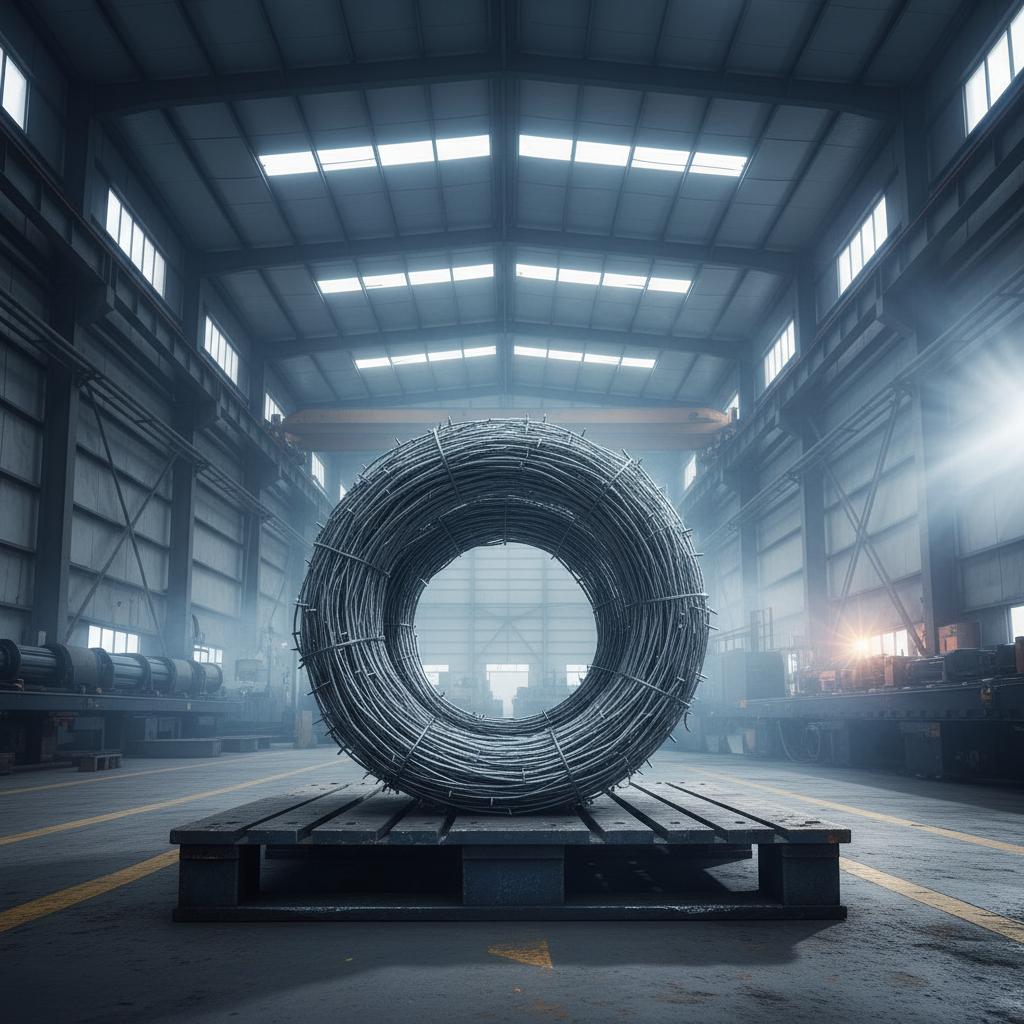
When looking to buy concertina wire, security professionals and facility managers seek a high-tensile obstacle designed to prevent unauthorized access through physical deterrence. Concertina wire is a specialized type of razor wire formed in large coils that can be expanded to create a formidable barrier, combining the sharpness of razor blades with the structural rigidity of heavy-duty steel.
In industrial and high-security environments, standard fencing often fails to stop determined intruders. The primary challenge is finding a balance between ease of deployment and absolute security. This is where concertina wire becomes essential, as its unique helical structure creates a complex web of steel that is nearly impossible to penetrate or cut without specialized equipment.
This guide provides a comprehensive analysis of how to select the right concertina wire based on material specifications, coating options, and application scenarios. By understanding the technical trade-offs between different galvanization methods and wire gauges, procurement teams can make informed decisions that enhance perimeter security while optimizing long-term maintenance costs.

1Understanding Concertina Wire Fundamentals

Concertina wire is an evolution of barbed wire, utilizing a coiled configuration that allows it to be compressed for transport and expanded upon installation. The name "concertina" comes from the musical instrument, reflecting the way the wire expands and contracts. Unlike simple razor wire, concertina wire features a core wire that provides structural tension, ensuring the coils maintain their shape and effectiveness over large distances.
The effectiveness of the system relies on the "clip" distance—the spacing between the loops. Tighter clips increase the difficulty of penetration but may increase the weight and cost of the installation. For most industrial needs, a standard clip distance is used to balance structural integrity with deterrent capability.
When you decide to buy concertina wire, you are investing in a psychological and physical barrier. The visual impact of the sharp, metallic coils acts as a primary deterrent, often stopping an intrusion attempt before the perimeter is even touched.
2Core Technical Specifications and Materiality
The performance of concertina wire is dictated by the quality of the steel and the protective coating. Most professional-grade options utilize hot-dipped galvanized steel, which provides a thick layer of zinc to prevent oxidation. In coastal or highly humid environments, PVC coating is often added over the galvanization to provide an extra layer of atmospheric protection.
Wire gauge is another critical factor. A thicker core wire increases the tensile strength, making it harder for intruders to use wire cutters. However, it also requires more robust support structures on the fence. The balance between wire diameter and blade profile (BTO or BAP) determines how the wire interacts with an intruder.
Consistent quality control during the drawing and annealing processes is vital. Proper annealing ensures the wire is flexible enough to be coiled without cracking, yet strong enough to resist bending once installed in its expanded state.
3Strategic Application Scenarios in Industry
Concertina wire is widely deployed in sectors where asset protection is non-negotiable. In the energy sector, it is used around power substations and oil refineries to protect critical infrastructure. In the military and correctional sectors, it is often layered in "triple-strand" configurations to create an impassable zone.
Beyond high-security sites, the agricultural and construction sectors use specialized wire products for temporary site security. For example, when protecting valuable equipment on a construction site, rapidly deployable coils can be placed around the perimeter to discourage theft and trespassing during off-hours.
Industrial warehouses also utilize concertina wire on top of existing masonry walls. This hybrid approach combines the structural strength of a wall with the cutting deterrence of the wire, eliminating the "climb-over" risk common with standard wall perimeters.
4Evaluating Performance and Deterrence Metrics
To objectively measure the value when you buy concertina wire, one must look at the "time-to-penetrate" metric. A high-quality system is designed to maximize the time an intruder spends attempting to breach a single point, thereby increasing the likelihood of detection by security personnel or electronic sensors.
Performance is also measured by corrosion rates. In saline environments, the failure of the coating can lead to structural degradation within a few years. High-zinc coatings significantly extend the lifecycle of the barrier, reducing the frequency of costly replacement cycles.
buy concertina wire Performance Metrics
The data indicates that professional-grade concertina wire significantly outperforms standard fencing in terms of deterrence and tensile strength. The investment in higher-quality materials results in a lower total cost of ownership due to reduced maintenance and higher reliability.
5Procurement Guide for High-Security Barriers
Procurement teams should focus on three primary criteria: material certification, blade geometry, and supplier reliability. It is essential to verify that the steel meets international standards for tensile strength to ensure the wire does not snap under tension during installation.
When comparing suppliers, look for those who provide customized coil diameters and clip spacings. A "one size fits all" approach often leads to gaps in the security perimeter or unnecessary waste of material. Customization ensures the wire fits perfectly on the existing fence height.
Finally, consider the shipping logistics. Concertina wire is bulky and dangerous to handle. Selecting a supplier with experience in secure packaging and specialized transport ensures that the product arrives without deformation, which could compromise its effectiveness upon expansion.
6Installation Constraints and Maintenance Risks
Installation of concertina wire is a high-risk activity. The sharpness of the blades requires specialized PPE and precision handling. Improper installation—such as over-stretching the coils—can create "dead zones" where the wire is too thin to provide effective deterrence, creating a vulnerability in the perimeter.
Environmental factors also pose risks. Heavy snow loads or falling debris can compress the coils, reducing their effective height. Regular inspections are necessary to ensure that the wire has not been tampered with or damaged by environmental stress.
Furthermore, the legal constraints of installing razor wire vary by region. Some jurisdictions require warning signs to be posted at regular intervals. Failure to comply with local safety regulations can lead to significant liability issues for the property owner.
7Comparative Analysis of Security Wire Options
Choosing between different types of security wire depends on the specific threat model of the site. While standard barbed wire is sufficient for livestock, it is easily bypassed by human intruders. Concertina wire provides a much higher level of security due to its depth and sharpness.
For maximum security, a combination of different wire types is often employed. For instance, a base of welded wire mesh topped with concertina wire creates a barrier that is difficult to climb, cut, or tunnel under.
| Wire Type | Deterrent Level | Installation Effort | Best Use Case |
|---|---|---|---|
| Standard Barbed | Low | Low | Agricultural/Livestock |
| Single Razor Coil | Medium | Medium | Low-Risk Perimeters |
| Concertina Wire | High | High | Industrial/Military |
| PVC Coated Razor | High | High | Coastal/Corrosive Areas |
| Double-Twisted Wire | Medium-High | Medium | Construction Binding |
| Welded Mesh + Razor | Extreme | Very High | Critical Infrastructure |
Ultimately, the decision to buy concertina wire should be based on a risk assessment that weighs the cost of installation against the potential loss from a security breach. For high-value assets, the superior performance of concertina wire makes it the most logical choice.
Frequently Asked Questions
Conclusion
Investing in high-quality concertina wire is one of the most effective ways to secure a physical perimeter against unauthorized entry. By focusing on material quality—specifically hot-dipped galvanization and high-tensile core steel—organizations can create a barrier that is both durable and highly deterrent. The key to success lies in matching the wire specification to the environmental conditions and the specific threat level of the site.
For procurement teams and security managers evaluating suitable high-security solutions, detailed product specifications and available configurations can be reviewed at www.lanyewiremesh.com to ensure the selected barrier meets all operational requirements.