Understanding 50 Mesh Screen: Applications and Benefits
When selecting a wire mesh for various industrial or commercial applications, the mesh count plays a crucial role in determining its functionality. A 50 mesh screen, characterized by 50 openings per linear inch, offers a balance between filtration, airflow, and material retention. This article will explore the key features, common applications, benefits, and factors to consider when choosing a 50 mesh screen, with a focus on its performance across diverse industries. Understanding the nuances of mesh size is paramount for optimizing processes and achieving desired results.
What Defines a 50 Mesh Screen?
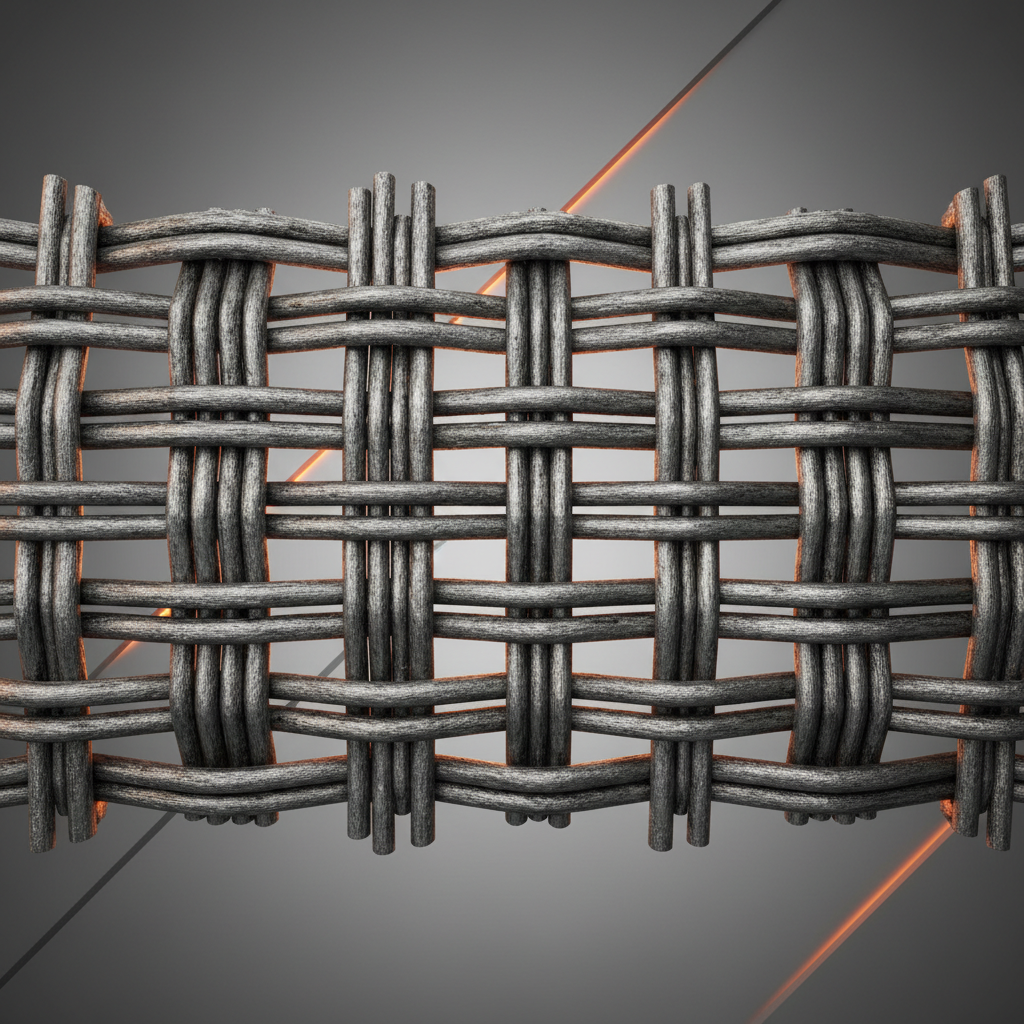
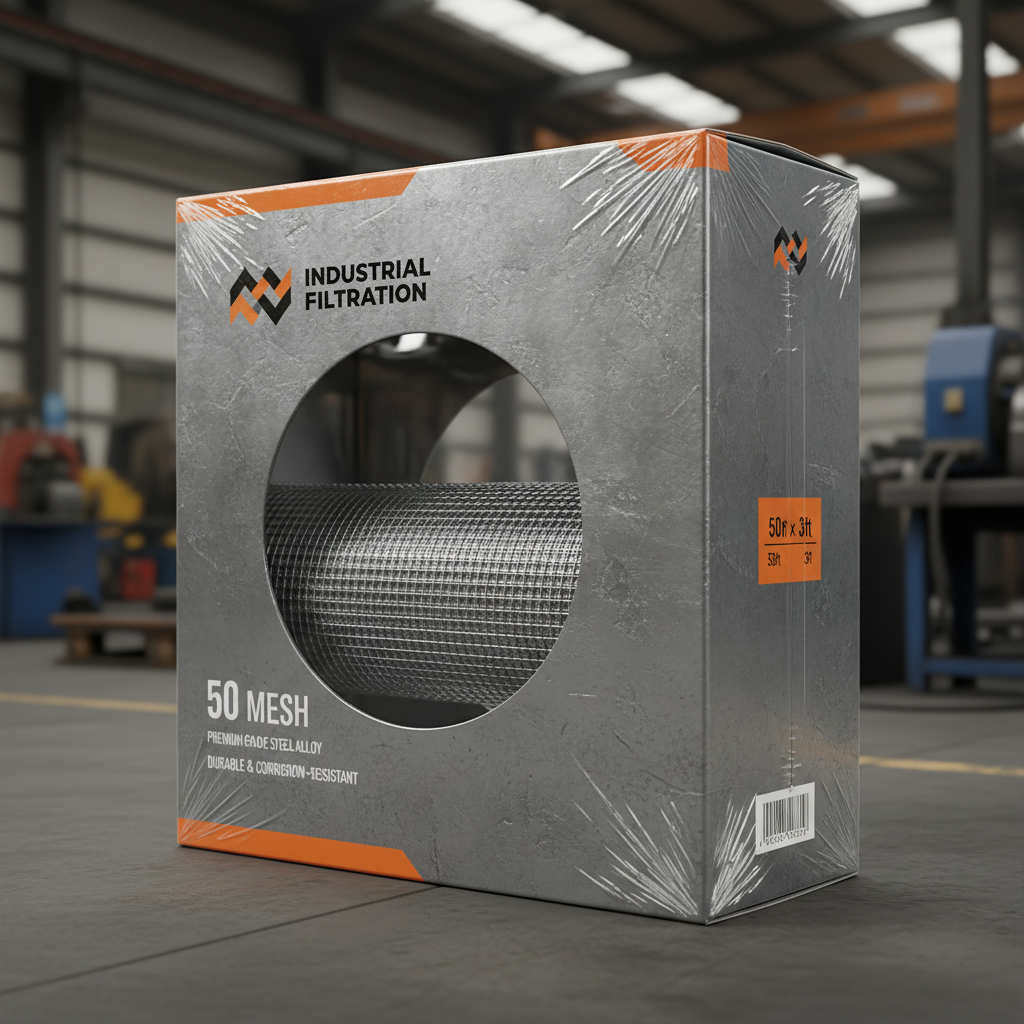
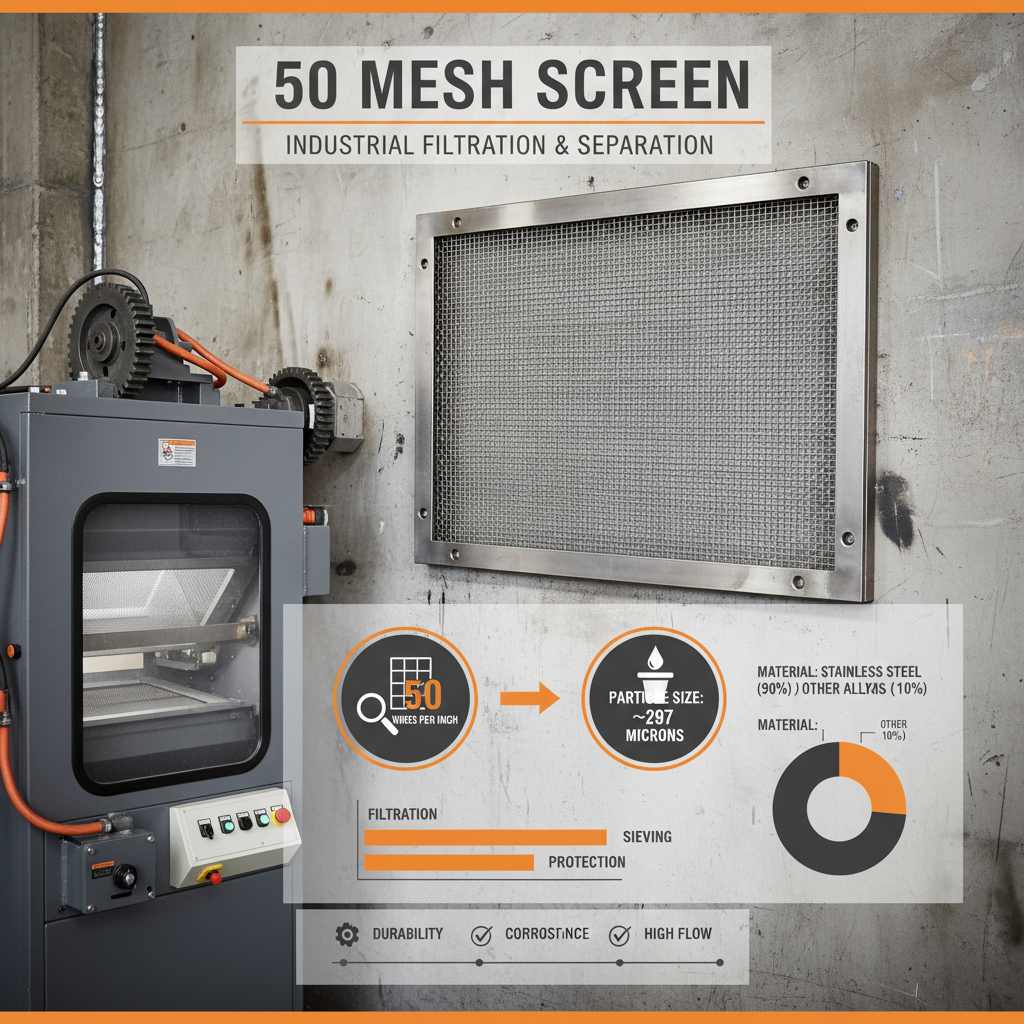
A 50 mesh screen means there are 50 wires woven across each inch of the mesh. This refers to the number of openings, not the wires themselves. Lower mesh numbers indicate larger openings, while higher numbers indicate smaller ones. A 50 mesh offers a moderate level of filtration, allowing smaller particles to pass through while retaining larger debris. This makes it suitable for a wide range of applications where precise filtration isn't required, but some level of separation is necessary. LanYe Wire Mesh provides high-quality 50 mesh screens in various materials to suit diverse needs.
Key Takeaway: 50 mesh screens provide a balance of filtration, airflow, and material retention, making them a versatile choice for numerous applications.
Common Applications of 50 Mesh Screen
The versatility of a 50 mesh screen makes it valuable in several industries. Some common uses include:
- Filtration: Pre-filtering liquids or gases to remove larger particles before finer filtration stages.
- Screening: Separating materials based on size in industries like agriculture (soil screening), gravel processing, and recycling.
- Insect Screening: Providing protection against insects in windows and doors, offering good airflow.
- Ventilation: Ensuring adequate airflow in machinery and ventilation systems while preventing the entry of debris.
- Security: Used in certain security screen applications, though not for high-security needs.
Key Application Areas:
• Agriculture
• Construction
• Manufacturing
• Home Improvement
50 Mesh Screen vs. Other Common Mesh Sizes
Understanding how 50 mesh compares to other common mesh sizes is critical for making the right selection. Here's a comparative overview:
Materials Used for 50 Mesh Screens
50 mesh screens are available in various materials, each with its own advantages. Common materials include:
- Stainless Steel: Durable, corrosion-resistant, ideal for food processing and harsh environments.
- Aluminum: Lightweight, corrosion-resistant, suitable for insect screening and ventilation.
- Brass: Corrosion-resistant, often used in filtration applications requiring finer tolerances.
- Monel: Highly corrosion-resistant, used in marine and chemical processing applications.
The choice of material depends on the specific application and the environment in which the screen will be used. Contact LanYe Wire Mesh to discuss your specific requirements and receive expert material recommendations.
Factors to Consider When Choosing a 50 Mesh Screen
Before purchasing a 50 mesh screen, consider these crucial factors:
- Material: Select a material compatible with the substances being filtered or screened.
- Wire Diameter: Thicker wires offer greater strength but reduce open area.
- Weave Type: Different weaves (plain, twill, dutch) affect the screen’s flexibility and filtration efficiency.
- Dimensions: Ensure the screen’s dimensions match your application requirements.
- Budget: Material and weave type will impact the overall cost.
Conclusion: Finding the Right 50 Mesh Solution
A 50 mesh screen offers a practical and versatile solution for numerous filtration and separation needs. By carefully considering the application requirements, material compatibility, and weave type, you can ensure optimal performance and longevity. LanYe Wire Mesh is dedicated to providing high-quality 50 mesh screens tailored to your specific needs.
Frequently Asked Questions (FAQs)
What is the typical tensile strength of a 50 mesh stainless steel screen?
The tensile strength of a 50 mesh stainless steel screen varies depending on the grade of stainless steel used (e.g., 304, 316) and the wire diameter. Generally, it ranges from 60,000 to 80,000 PSI. Higher grades of stainless steel and thicker wires will exhibit greater tensile strength. It's important to consult the product specifications provided by the manufacturer, such as LanYe Wire Mesh, for precise tensile strength data for a specific screen. This ensures the screen can withstand the stresses of the application without deformation or failure.
Can a 50 mesh screen be used for water filtration?
Yes, a 50 mesh screen can be used for basic water filtration, particularly for removing larger sediments, leaves, or debris. However, it won’t remove smaller particles like bacteria or dissolved solids. It's often used as a pre-filter to protect more sophisticated filtration systems from clogging. The material used should be corrosion-resistant, such as stainless steel, for long-term use in water filtration applications.
How do I determine the correct weave type for my 50 mesh screen application?
The best weave type depends on your needs. Plain weave is the most common and cost-effective, suitable for general-purpose applications. Twill weave is more durable and has a higher open area, making it good for filtering materials that tend to clog. Dutch weave has a very high open area and is excellent for filtering liquids, as it allows for high flow rates. Consult with a wire mesh specialist like those at LanYe Wire Mesh to determine the best weave for your specific application.
What is the best way to clean a 50 mesh screen?
The best cleaning method depends on the material and the type of debris. For light debris, brushing or rinsing with water is usually sufficient. For more stubborn buildup, you can use a mild detergent and soft brush. Avoid abrasive cleaners or high-pressure washing, as these can damage the screen. For stainless steel, specialized stainless steel cleaners can be used. If the screen is heavily clogged, ultrasonic cleaning may be an effective option.