Understanding 5ft Wire Fence Options for Your Property
A 5ft wire fence is a popular choice for a variety of applications, from securing a residential property to containing livestock. Choosing the right type of wire fence depends on your specific needs, budget, and the level of security required. This article will guide you through the different types of 5ft wire fences available, their benefits, installation considerations, and why Lanye Wire Mesh is a trusted supplier for quality fencing solutions. We’ll cover everything from galvanized steel to chain link and welded wire, helping you make the best decision for your property.
Types of 5ft Wire Fence
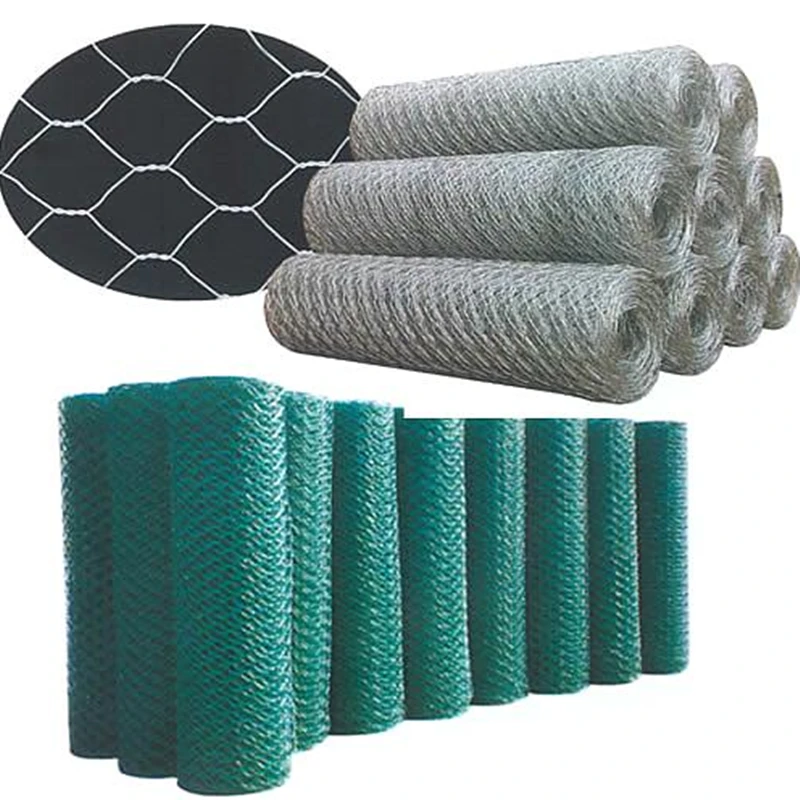
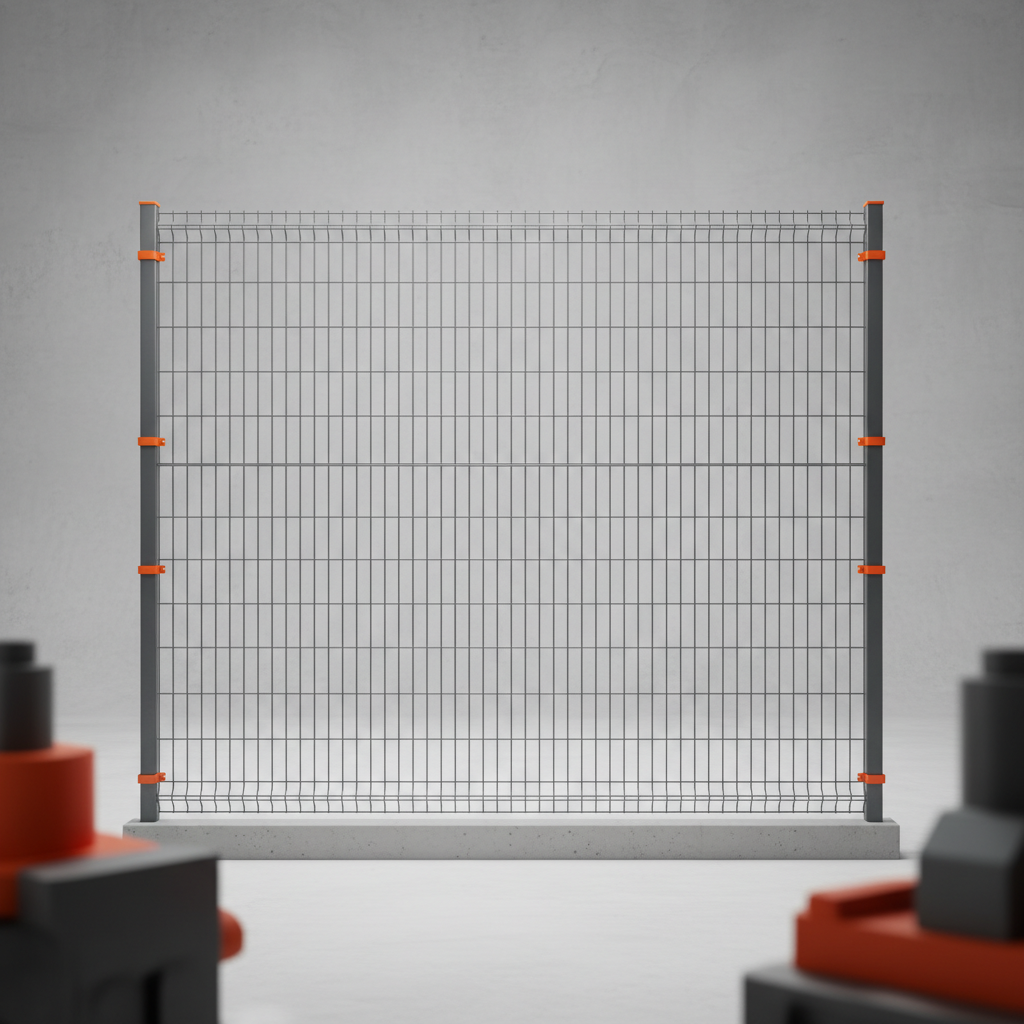
There are several common types of 5ft wire fences to choose from, each with its own set of advantages and disadvantages. These include chain link, woven wire (field fence), welded wire, and barbed wire. Chain link is known for its durability and security, while woven wire is ideal for containing animals. Welded wire offers a more aesthetically pleasing look, and barbed wire provides a high level of security. Understanding the characteristics of each type is crucial for selecting the best option for your needs.
Key Considerations: Consider the purpose of the fence – security, animal containment, or privacy – and the environment it will be installed in.
Chain Link vs. Welded Wire: A Detailed Comparison
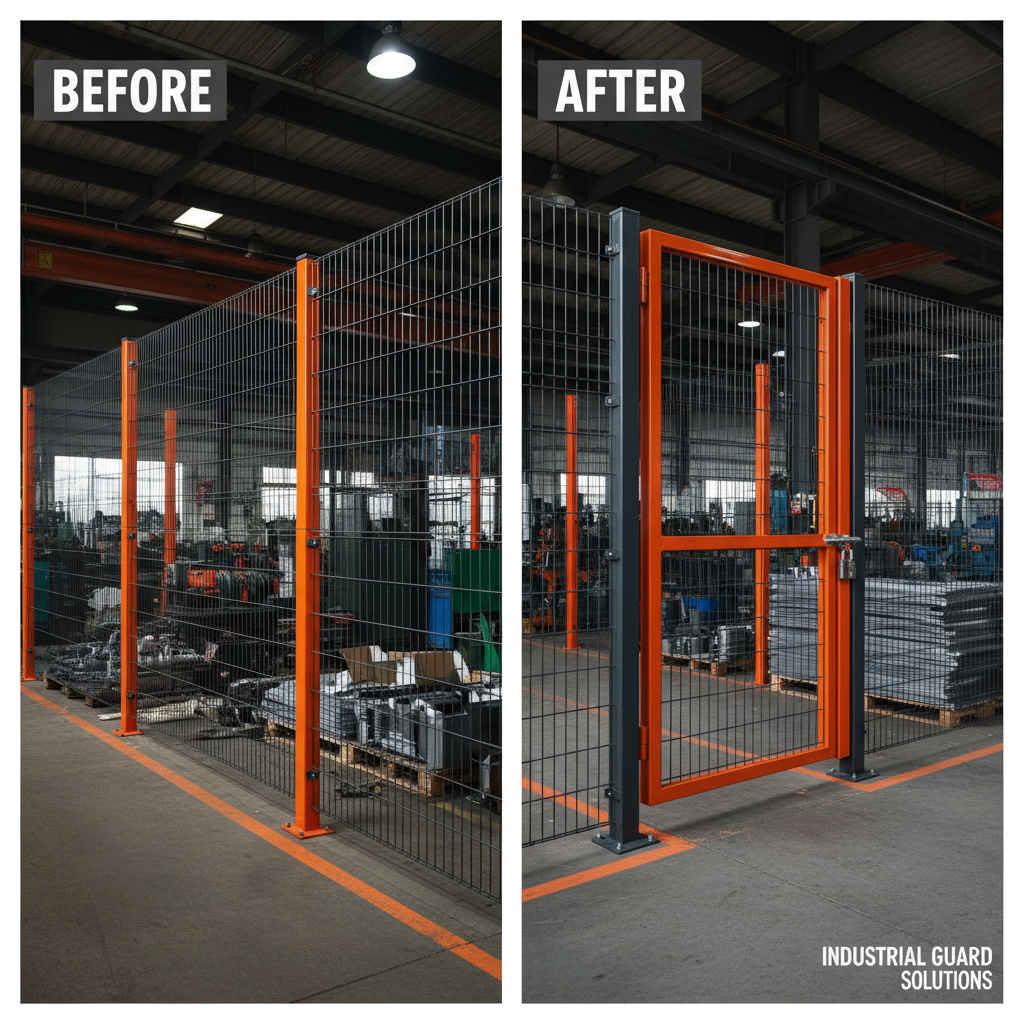
Choosing between chain link and welded wire for a 5ft wire fence often comes down to aesthetics and budget. Chain link is typically more affordable and provides excellent security, making it a popular choice for commercial properties and high-security applications. Welded wire, on the other hand, offers a cleaner, more refined look, making it a better fit for residential properties where appearance is important. However, welded wire is generally less durable than chain link and may not be suitable for containing larger animals.
Key Differences:
• Security: Chain link offers superior security.
• Aesthetics: Welded wire is more visually appealing.
• Cost: Chain link is generally more affordable.
• Durability: Chain link is typically more durable.
Understanding Wire Gauge and Coating for Longevity
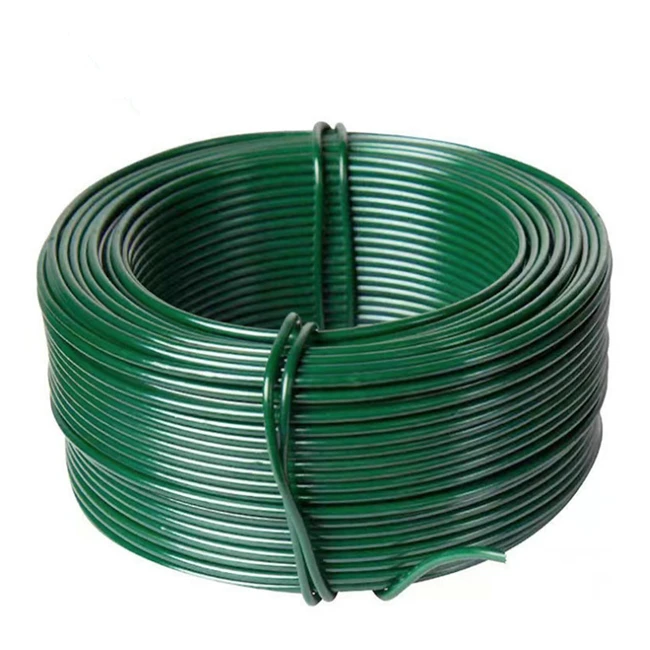
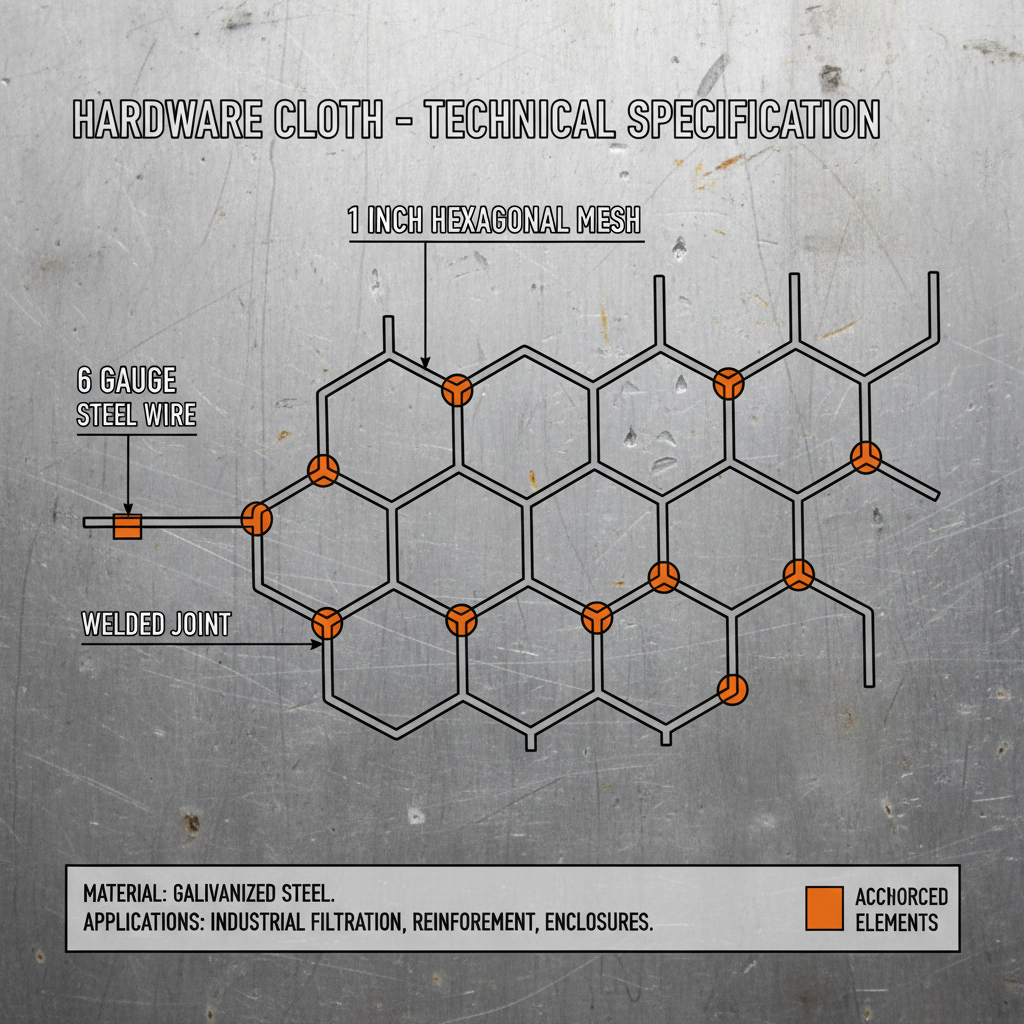
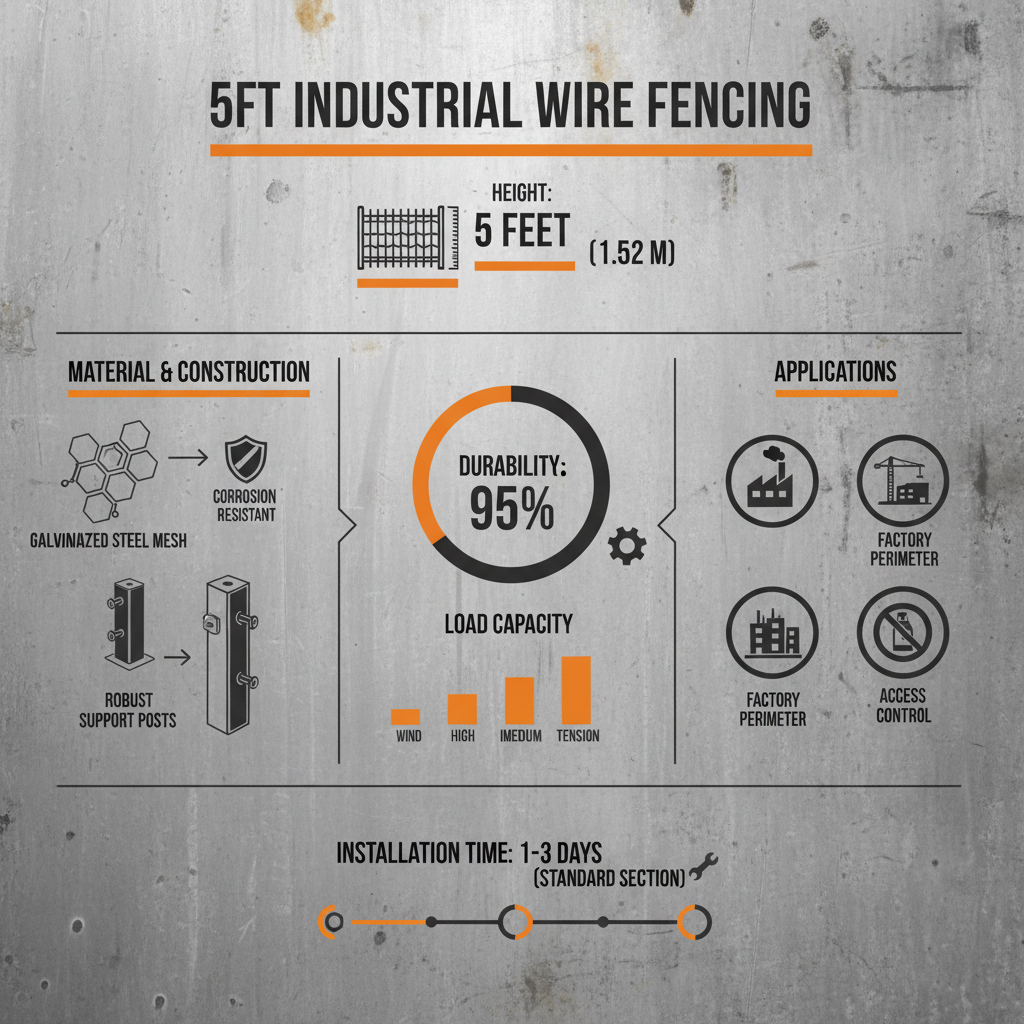
The wire gauge and coating of a 5ft wire fence significantly impact its durability and lifespan. A lower wire gauge number indicates a thicker wire, providing greater strength and resistance to damage. Common wire gauges include 9, 11, and 12.5. As for coating, galvanized steel is the most common option, offering corrosion resistance. However, for even greater protection, consider vinyl-coated wire, which provides a durable and attractive finish. The quality of the coating directly impacts how well the fence will withstand weather conditions.
Installation Considerations for a 5ft Wire Fence
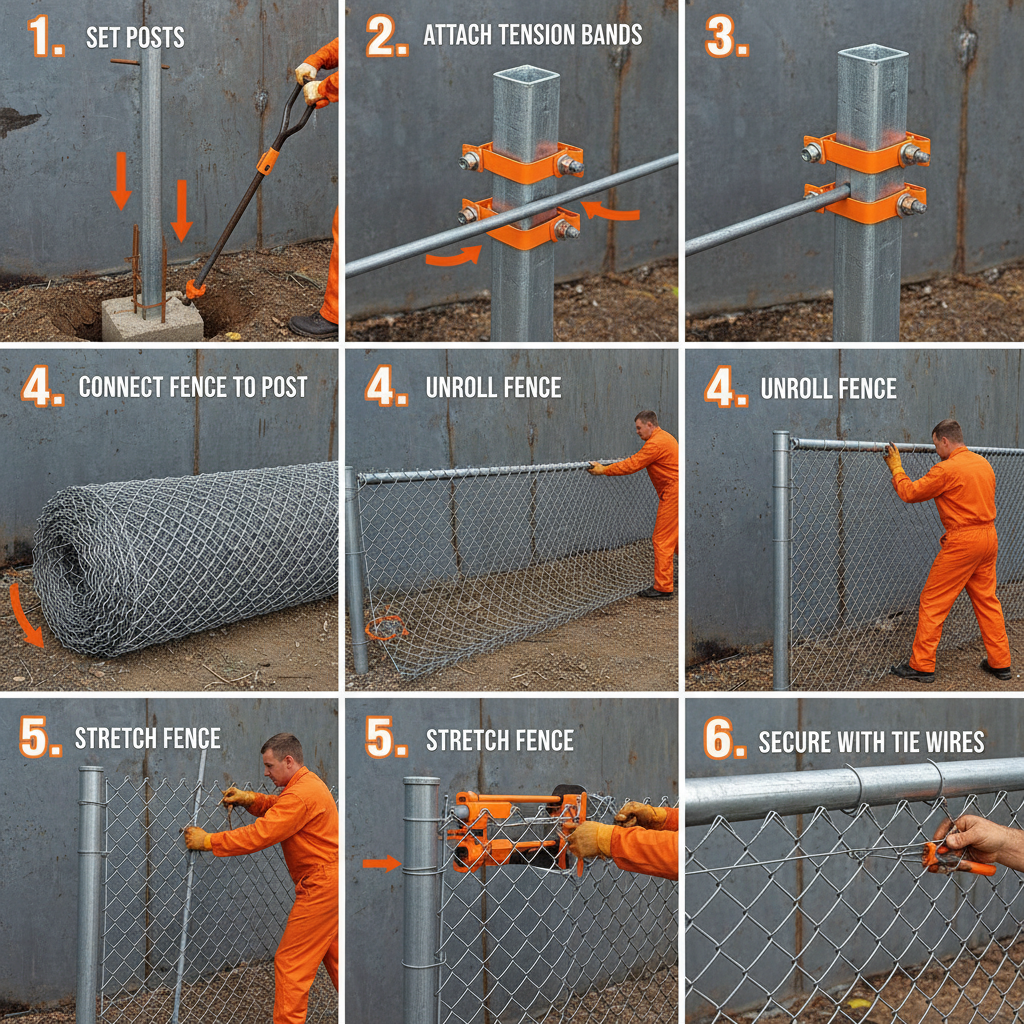
Proper installation is crucial for the longevity and effectiveness of a 5ft wire fence. This includes setting posts at appropriate intervals (typically 8-10 feet apart), ensuring the posts are properly braced, and securely attaching the wire to the posts. Consider the terrain of your property and adjust post depth accordingly. For uneven ground, stepping the fence line can help maintain a consistent height. Professional installation is recommended for larger projects or if you lack experience with fencing.
Why Choose Lanye Wire Mesh for Your 5ft Wire Fence Needs?
At Lanye Wire Mesh, we are committed to providing high-quality 5ft wire fences and exceptional customer service. We offer a wide range of options to suit your specific needs and budget. Our experienced team can assist you in selecting the right type of fence, providing accurate quotes, and ensuring timely delivery. We pride ourselves on our durable products, competitive pricing, and reliable support.
Conclusion: Secure Your Property with a Quality 5ft Wire Fence
Choosing the right 5ft wire fence is an investment in your property’s security and aesthetic appeal. From chain link to welded wire, Lanye Wire Mesh offers a comprehensive selection to meet your requirements. Contact us today for a consultation and let us help you find the perfect fencing solution.
Frequently Asked Questions (FAQs)
What is the typical lifespan of a galvanized steel 5ft wire fence?
A properly installed galvanized steel 5ft wire fence typically lasts between 15-20 years, depending on environmental conditions. Coastal areas with high salt content can accelerate corrosion, reducing the lifespan. Regularly inspecting the fence for rust and applying protective coatings can extend its longevity. Using a heavier gauge wire and a thicker galvanization coating also increases durability. Choosing quality materials from a reputable supplier like Lanye Wire Mesh ensures a longer-lasting fence.
How much does a 5ft wire fence typically cost per foot?
The cost of a 5ft wire fence varies depending on the type of wire, gauge, coating, and installation costs. Generally, chain link fences range from $15 to $30 per foot installed, while welded wire fences typically cost between $20 and $40 per foot installed. Woven wire and barbed wire fall somewhere in between. Labor costs, terrain complexity, and gate installations can also affect the final price. Contacting Lanye Wire Mesh for a custom quote is the best way to determine the exact cost for your project.
Can I install a 5ft wire fence myself?
Yes, you can install a 5ft wire fence yourself, especially if you have some DIY experience. However, it requires physical labor, accurate measurements, and proper tools. Setting posts correctly is the most crucial step, and ensuring they are plumb and securely braced is essential. If you're dealing with a large area or challenging terrain, professional installation is recommended. Incorrect installation can compromise the fence's stability and longevity.
What maintenance is required for a 5ft wire fence?
Regular maintenance can significantly extend the life of your 5ft wire fence. This includes periodically checking for loose wires or damaged posts, tightening any loose connections, and removing vegetation that grows around the fence line. For galvanized steel fences, applying a rust preventative coating every few years can help prevent corrosion. Inspecting the fence annually and addressing any issues promptly will keep it in good condition.