Industrial Security Fencing and Concertina Wire Price Guide
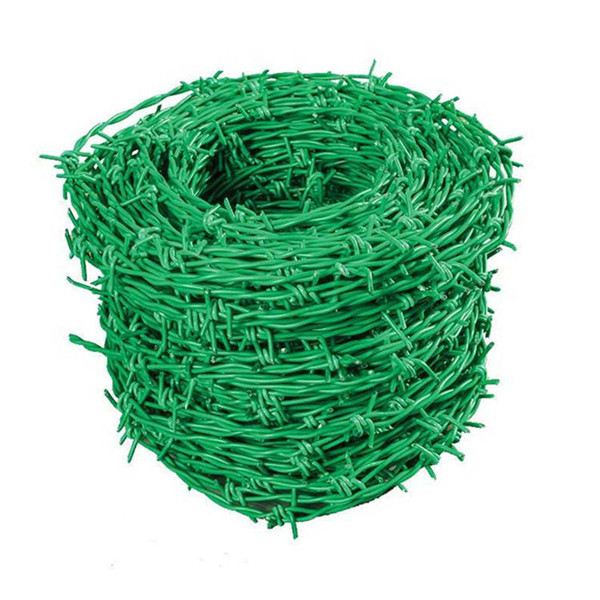
Securing construction sites and industrial perimeters requires materials that balance structural integrity with cost-efficiency. While many procurement managers focus primarily on the concertina wire price, the actual value of a security barrier is determined by the tensile strength of the steel and the precision of its annealing process. For automated rebar tying and perimeter reinforcement, the choice of wire diameter and material coating directly impacts labor speed and long-term durability. Whether you are deploying high-tensile galvanized wire for fencing or vacuum-annealed tie wire for reinforcement, understanding the technical specifications ensures that the security solution remains effective against environmental corrosion and physical breach attempts.

Technical Specifications of High-Performance Rebar Tie Wire for Automatic Machinery
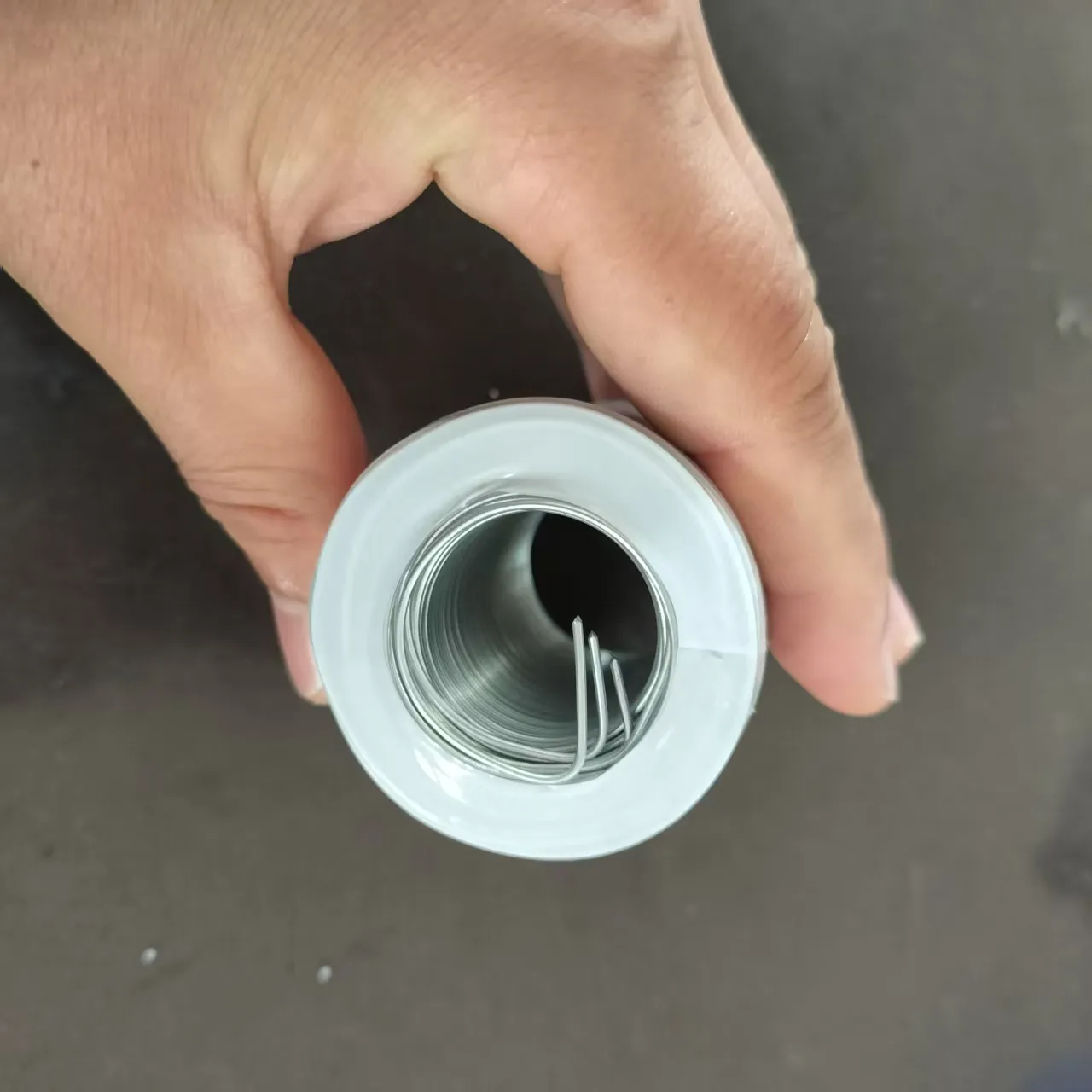
Modern construction engineering relies heavily on the efficiency of automatic rebar tying machines. To prevent machine downtime, the tie wire must possess a specific combination of toughness and elasticity. Our vacuum-annealed and galvanized wire options are engineered to provide a smooth feed through the machine's mechanism, eliminating the common problem of tangling or snapping during high-speed operations.
The technical core of these products lies in the material processing. By utilizing low carbon steel and a specialized annealing process, the wire achieves a soft yet strong consistency. This ensures that the binding is tight and secure without requiring excessive force, which could otherwise deform the reinforcement bars. The high polish and burr-free surface are not only safety features for the operators but also critical for maintaining the internal components of the tying equipment.
- Material Options: Vacuum annealed wire for maximum flexibility; Galvanized wire for enhanced corrosion resistance.
- Diameter Precision: Available in 0.8mm (single wire) and 1.0mm (double wire) to match various machine models.
- Surface Quality: Highly polished, smooth finish to ensure no snagging during automatic dispensing.

Optimizing Perimeter Security Through Material Selection and Coating Standards
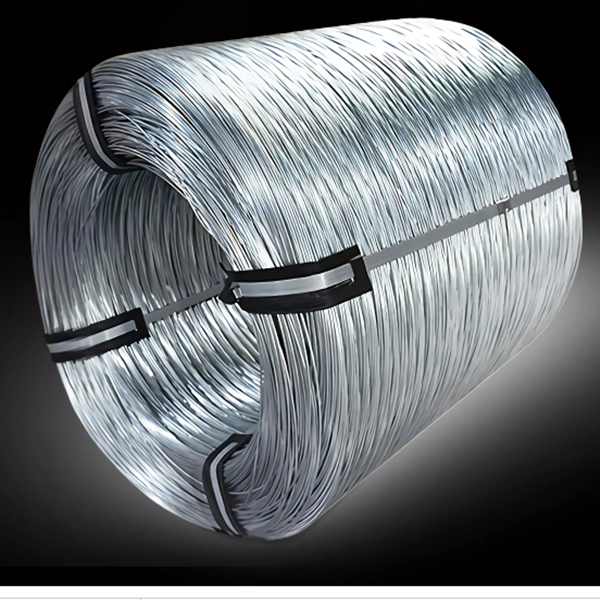
When evaluating security fencing, the longevity of the installation is closely tied to the zinc coating thickness and the wire's carbon content. In the metal products industry, the transition from standard barbed wire to reinforced concertina styles requires a deeper look at the structural rigidity. A reinforced spool that is thickened and reinforced prevents the coil from cracking, which is a frequent failure point in lower-grade industrial wires.
The application of galvanization provides a sacrificial layer of protection against oxidation, which is essential for agricultural fences and aerospace field applications where exposure to moisture and chemicals is constant. By maintaining a strict quality inspection system, every coil is verified for surface uniformity, ensuring that there are no weak points where rust can initiate. This systemic approach to quality control reduces the total cost of ownership by extending the replacement cycle of the perimeter security system.
Industrial Application Scenarios and Procurement Logic for Steel Wire Products
The utility of steel wire extends across multiple sectors, each with distinct requirements. In construction engineering, the priority is tensile reliability and ease of binding. For these users, a 0.4kg to 0.45kg coil weight is optimized for machine handling. Conversely, in gardening and agricultural fencing, the focus shifts toward flexibility and environmental resistance, where diamond cyclone mesh and hexagonal wire mesh are more prevalent.
From a procurement perspective, buyers must weigh the initial investment against the operational efficiency. For instance, utilizing double-wire 1.0mm specifications for heavy-duty rebar binding increases the joint strength, reducing the risk of shifting during concrete pouring. In the packaging and handicraft sectors, the focus is on the "smoothness" of the wire to avoid damaging the products being bundled. Understanding these nuances allows project managers to select the exact wire gauge and material that matches the stress loads of their specific workplace.
Technical Comparison of Rebar Tying Wire Specifications
| Wire Diameter | Wire Configuration | Coil Length/Weight | Primary Application |
|---|---|---|---|
| 0.8mm | Single Wire | 100m / 0.4kg | Standard Automatic Tying |
| 1.0mm | Double Wire | 33-34m / 0.4-0.45kg | Heavy-Duty Reinforcement |
| Customized | Specified | Application-dependent | Specialized Engineering |
| Galvanized | Coated | Varies by Model | Corrosive Environments |
| Annealed | Vacuum Processed | Standard Spools | High-Flexibility Binding |
Manufacturing Quality Control and R&D Integration in Metal Wire Production
The difference between industrial-grade wire and commercial-grade wire lies in the R&D and inspection phase. A complete quality inspection system ensures that every batch of galvanized or cold-drawn wire meets international standards for diameter consistency and coating adhesion. By employing a dedicated R&D team, manufacturing processes can be iterated to improve the "memory" of the wire—its ability to return to a specific shape without permanent deformation after being bent.
Quality assurance also involves the packaging phase. Reusable high-strength spools are reinforced to prevent deformation during transit. This is critical for automated systems; if a spool is slightly crushed, the wire may not unwind smoothly, leading to machine jams. By integrating a strict inspection department, manufacturers can guarantee that every product sent to the customer is perfectly packaged and ready for immediate deployment in the field.
Strategic Procurement Considerations for Large-Scale Metal Product Sourcing
For distributors and large-scale contractors, sourcing steel wire involves more than comparing a unit price. The reliability of the supply chain and the capability for customization are paramount. Whether the project requires straight cut wire for specific structural components or welded wire mesh for industrial flooring, the ability of a supplier to provide consistent specifications across thousands of tons of material is the true measure of a partner.
Looking ahead, the industry is moving toward higher precision and specialized coatings to meet the demands of the aerospace and high-end construction fields. Buyers should prioritize suppliers who offer a win-win cooperation model, combining reasonable pricing with robust after-sales service and transportation guarantees. Ensuring that the product is not only high-quality but also delivered on time is the only way to maintain a strict construction schedule and avoid costly project delays.
Frequently Asked Questions Regarding Industrial Steel Wire
What is the primary difference between vacuum annealed and galvanized tie wire?
Vacuum annealed wire is processed to be softer and more flexible, making it ideal for manual or automatic binding where toughness is key. Galvanized wire is coated in zinc to provide a protective layer against rust and corrosion, making it more suitable for outdoor or humid environments.
Why is the surface polish of the rebar tie wire important for automatic machines?
A highly polished, burr-free surface prevents the wire from snagging or tangling as it is dispensed by the machine. This ensures a smooth feed, reduces the risk of wire breakage, and prevents wear and tear on the machine's internal feeding mechanism.
How do I choose between 0.8mm single wire and 1.0mm double wire?
The choice depends on the required binding strength and the machine model. 0.8mm single wire is standard for general tying tasks, while 1.0mm double wire provides significantly higher structural stability for heavier rebar loads.
Does the spool design affect the performance of the tying wire?
Yes. A thickened and reinforced spool prevents the coil from cracking or distorting during transport and use. This ensures that the wire maintains its tension and does not become entangled, which is critical for the efficiency of automatic tying.
Can these wires be customized for specific engineering projects?
Yes, customization is supported for various specifications, including diameter, material coating, and coil weight, to meet the specific technical requirements of different construction or industrial applications.
What factors most influence the overall cost of security wire installations?
Beyond the initial concertina wire price, the total cost is influenced by the zinc coating thickness (which determines the lifespan), the wire gauge, the installation labor, and the quality of the support structures used to hold the wire.
Technical Industry References
- ASTM International Standards for Steel Wire
- ISO Standards for Metallic Coatings
- World Steel Association Technical Reports
- American Institute of Steel Construction Guidelines
For professionals seeking high-durability steel wire solutions that combine technical precision with industrial reliability, contacting a manufacturer with a dedicated R&D and quality inspection system is the most effective path to securing your project's success.
Related Industrial Product Insights