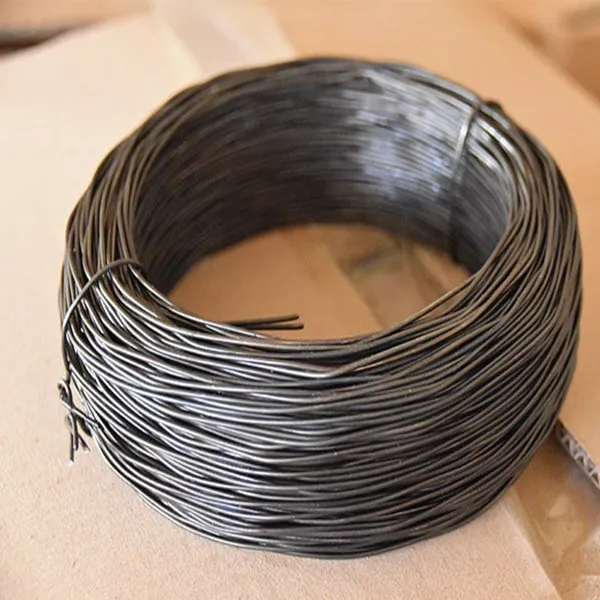
Factors Affecting High Quality Razor Wire Coil Price Guide
Securing a perimeter requires more than just a physical barrier; it requires a psychological and technical deterrent that stands up to environmental stress. For procurement managers and security engineers, understanding the variables that influence razor wire coil price is essential for balancing budget constraints with high-security requirements. The efficacy of a security fence depends heavily on the material grade and the precision of the blade geometry, which directly impact the long-term durability and the deterrent effect of the installation.
From high-tension industrial sites to agricultural boundaries, the choice of galvanized steel wire ensures that the installation remains rust-free and structurally sound. By focusing on the intersection of material science—such as hot-dipped galvanization—and tactical deployment, buyers can ensure they are investing in a solution that minimizes maintenance costs while maximizing site integrity. This guide examines the technical specifications and procurement logic necessary to select the optimal security wire for diverse environmental challenges.

The Technical Architecture of High-Security Steel Wire Barriers
High-security barriers are engineered using a combination of high-tensile steel and specialized coating processes to prevent corrosion. The core of an effective security coil is its tensile strength, which prevents the wire from sagging or being easily cut by manual tools. In the metal products industry, the precision of the "diamond point" or "grooved finish" determines how the barrier interacts with an intruder, creating a high-risk environment that discourages unauthorized entry.
Surface finishing is the primary determinant of the product's lifespan. We utilize several critical finishing methods depending on the environment:
- Bright Finish: Ideal for indoor or low-humidity environments where aesthetic clarity is required.
- Galvanized Finished: A standard for outdoor use, providing a zinc layer that protects the steel from oxidation.
- Electro-Galvanized: Offers a smoother, more uniform coating for specific industrial applications requiring precise tolerances.
The manufacturing process involves cold drawing the wire to achieve the necessary hardness and strength, ensuring that the coil maintains its shape and tension over long spans of fencing. This technical rigor is what separates industrial-grade security products from consumer-level fencing.

Evaluating Material Durability and Corrosion Resistance in Harsh Climates
One of the most critical failures in perimeter security is the degradation of the metal due to moisture and salt air. In coastal or high-humidity regions, standard wire can rust within a few seasons, compromising the structural integrity of the entire fence. To combat this, the industry relies on advanced zinc coating technologies. Hot-dipped galvanization, in particular, creates a thick, bonded layer of zinc that acts as a sacrificial anode, protecting the inner steel core from rust.
When assessing the quality of the wire, procurement officers should look for consistency in the zinc layer. A non-uniform coating leads to "pitting" corrosion, where small holes form in the surface, accelerating the failure of the wire. By employing a strict quality inspection system, including R&D-led testing, we ensure that every coil meets the necessary thickness requirements for the intended climate.
Beyond corrosion, the mechanical properties of the steel are paramount. The use of cold-drawn wire increases the yield strength, meaning the wire can withstand higher tension during installation and resist deformation under wind loads or attempted breaches. This combination of chemical protection and mechanical strength ensures a lower total cost of ownership over the installation's lifecycle.
Strategic Application Scenarios for Industrial Security Fencing
The deployment of security coils is not a one-size-fits-all process. Different sectors require different configurations based on the risk profile of the asset being protected. In construction engineering, temporary security wire is often used to prevent theft of materials and machinery, requiring easy deployment and rapid removal. In contrast, aerospace fields or military installations require permanent, high-tension systems with maximum deterrent capabilities.
Key application logic includes:
- Agricultural Fencing: Focuses on durability and animal deterrence, where galvanized finishes prevent degradation from soil contact and weather.
- Industrial Warehousing: Emphasizes height and coil density to prevent scaling and cutting.
- Government Facilities: Requires the highest grade of tensile strength and specialized blade shapes to ensure maximum security.
The interaction between the wire and the supporting structure is also vital. Whether integrated with diamond cyclone mesh or welded wire mesh, the security coil must be tensioned correctly to avoid "dead zones" where an intruder could potentially find a gap. Proper installation ensures that the psychological deterrent of the sharp blades is reinforced by the physical impossibility of penetration.
Security Wire Procurement and Specification Matrix
| Application Type | Recommended Finish | Core Feature | Durability Level |
|---|---|---|---|
| Coastal Security | Hot-Dipped Galvanized | Thick Zinc Layer | Very High |
| Construction Site | Bright/Galvanized | Rapid Deployment | Medium |
| Agricultural Fence | Galvanized | Corrosion Resistant | High |
| High-Risk Facility | Electro-Galvanized | High Tensile Strength | Very High |
| Furniture/Wooden Case | Bright/Electro-Galv | Precision Cutting | Medium |
Supply Chain Considerations for Large-Scale Security Projects
Managing the procurement of steel wire products for large-scale projects involves balancing lead times, packaging stability, and transportation costs. Because steel wire is heavy and potentially hazardous during transit, packaging is a critical quality factor. We offer flexible packaging options, from 10kg bags to 50kg cartons, to ensure that the product arrives at the site without deformation or damage to the galvanized surface.
When evaluating a supplier, the presence of an in-house R&D team and a dedicated quality inspection department is a marker of reliability. A complete set of inspection systems ensures that every batch of wire possesses consistent tensile strength and coating thickness. This reduces the risk of on-site failure, which can be incredibly costly to repair once a fence has been fully installed over several kilometers.
Furthermore, the ability to provide customized specifications—such as specific coil diameters or specialized blade shapes—allows project managers to tailor the security level to the specific vulnerabilities of their site. Reliable transportation services and after-sales support act as the final guarantee, ensuring that any installation challenges are resolved quickly to maintain the security perimeter.
Future Trends in Perimeter Security and Material Innovation
The evolution of perimeter security is moving toward "intelligent" barriers and hybrid materials. While the core deterrent remains the sharp steel blade, the integration of sensor-enabled wiring is becoming more common in high-security zones. This allows for the detection of cutting or climbing in real-time, transforming a passive barrier into an active alert system. However, the fundamental requirement remains a high-quality steel base that cannot be easily bypassed.
Material innovation is also focusing on enhancing the longevity of coatings. New alloy-zinc coatings are being developed to provide even greater protection in extreme acidic or saline environments, further extending the maintenance intervals for industrial users. As global construction standards become more stringent, the demand for certified, traceable steel wire will continue to grow.
For buyers, the key is to move beyond looking at the initial razor wire coil price and instead calculate the "life-cycle cost." An investment in superior galvanization and higher tensile steel reduces the frequency of replacements and the labor costs associated with maintenance, providing a more sustainable and secure long-term solution for any facility.
Common Technical Inquiries Regarding Security Wire Procurement
What is the main difference between electro-galvanized and hot-dipped galvanized wire?
Hot-dipped galvanization involves dipping the steel into molten zinc, creating a thicker, more durable layer that is superior for outdoor and harsh environments. Electro-galvanization uses an electrical process to apply a thinner, more uniform layer, which is often preferred for indoor use or where a smoother finish is required.
How does tensile strength affect the security of the coil?
Higher tensile strength prevents the wire from stretching or sagging over time and makes it significantly more difficult for intruders to cut through the barrier using standard handheld wire cutters, thereby increasing the physical deterrent.
Which packaging option is best for large-scale industrial shipments?
For large shipments, bulk packing in 25kg or 50kg cartons or bags is typically most efficient for transportation and handling. However, for specialized projects, custom packaging can be provided to ensure the coils remain perfectly formed during transit.
Can these security coils be used in combination with other fencing types?
Yes, they are specifically designed to be installed atop diamond cyclone mesh, welded wire mesh, or concrete walls to add a high-security layer to an existing perimeter.
What factors most significantly impact the total cost of a security wire order?
The primary factors include the raw material grade of the steel, the type and thickness of the zinc coating (surface finishing), the coil diameter, and the total volume of the order which affects transportation logistics.
How do I ensure the product I receive meets the specified technical standards?
You should partner with a manufacturer that has a dedicated quality inspection department and a complete set of inspection systems, ensuring every product is strictly inspected and documented before packaging and shipping.
Industry Standards and Technical References
- ASTM International - Standards for Steel Wire and Coatings
- ISO Standards for Metallic Coatings and Corrosion Protection
- American Institute of Steel Construction - Material Properties
- World Steel Association - Global Steel Production Quality Guidelines
Whether you are securing a government facility, an industrial warehouse, or a commercial construction site, the reliability of your perimeter depends on the quality of your materials. Dingzhou Lanye Metal Products provides the technical expertise and manufacturing precision required to ensure your site remains secure and your investment durable.
Related Industry Insights